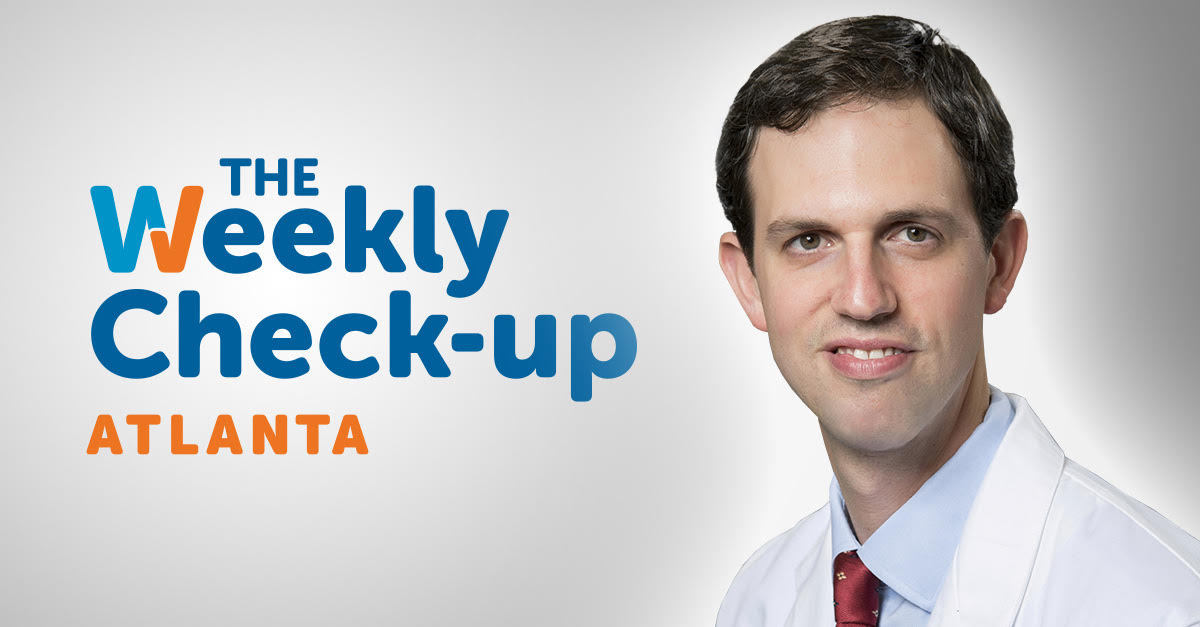
Dr. Wesley Ludwig Appeared on “The Weekly Check-Up” on WSB Radio
On Sunday, June 13, Georgia Urology’s Dr. Wesley Ludwig returned as a guest on “The Weekly Check-Up” on News/Talk WSB Radio.
During the show, Dr. Ludwig and host Dr. Bruce Feinberg discussed physician call schedules, as well as the treatment and prevention of kidney stones.
Dr. Ludwig explained the nature of physician call schedules and what it means to be “on call”. When physicians are “on call,” they care for their own patients, the hospital’s broader urology patients, and emergency department patients. He is on call for 8 different hospitals across Georgia.
Dr. Ludwig then devoted time to discussing the details of kidney stones. Kidney stones are a concentration of metabolites in the urine that shouldn’t be there. In a person’s urine, the kidneys filter blood and get rid of excess metabolites that aren’t needed. If calcium and phosphate become too concentrated in the urine, they’ll crystalize into kidney stones. The stone passes from the kidney into the ureter and blocks the flow of urine from the bladder. Dr. Ludwig emphasized how the location of the stone in the ureter is the crux of the issue. “That’s where you start to develop those symptoms that everybody talks about—the pain that’s worse than childbirth, the terrible flank pain, the vomiting.”
He advised, “with the majority of stones, it is ok to give it a period of time to pass. If a stone is blocking the flow of urine from the kidney, at about the 6-week mark, you actually start to lose some of that kidney function. It is something that patients wait on, but it isn’t wise to.” If a CT scan indicates the stone is approaching 10mm in size, then a physician will need to utilize lithotripsy to fire shockwaves from outside of the body to break up the stone or ureteroscopy to visually clear out 90-95% of the stone with a small camera.
In order to expedite the treatment process, Dr. Ludwig recommended Georgia Urology’s Kidney Stone Hotline (1-855-STONE-11). A typical wait time in the emergency department is 12-14 hours, but a patient who calls the Kidney Stone Hotline will have an appointment with a doctor within 24 hours. With the hotline, a patient can bypass unnecessary testing, save critical time, and, as Dr. Ludwig says, “go straight to the source” for treatment.
“Kidney stones are one of the diseases that tend to recur over and over and over again. If you have a stone, you may have up to a 50% chance of developing another stone,” Dr. Ludwig explained. The best way to prevent kidney stones is to stay hydrated, decrease the amount of salt in your diet, and stick to a daily recommended serving size of meat each day.
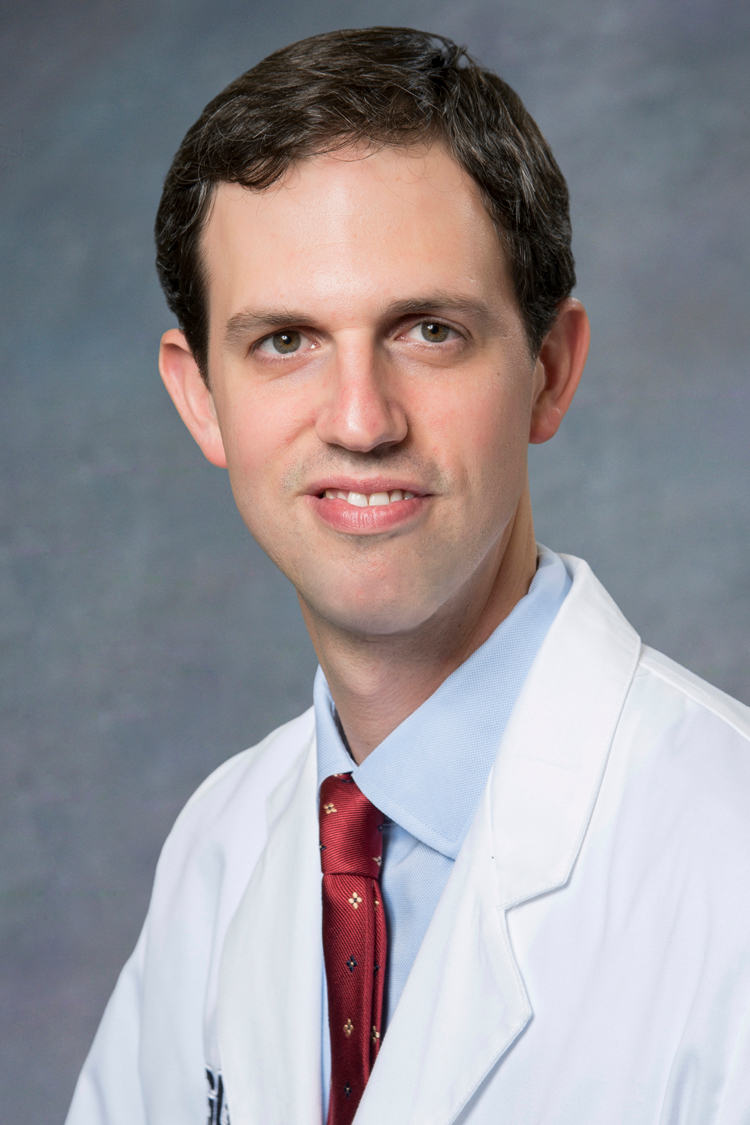 Dr. Wesley Ludwig is a native of Roswell, Georgia. He received his Doctor of Medicine from George Washington University School of Medicine in Washington, D.C. He completed his internship in general surgery and residency in urological surgery at the Johns Hopkins Hospital. During his research fellowship, Dr. Ludwig investigated genitourinary cancers as well as novel techniques for the treatment of kidney stones. Dr. Ludwig is also a member of multiple professional societies such as the American Urological Association and the Society for Laparoscopic Surgeons. Dr. Ludwig’s areas of interest are in the treatment of benign prostatic hyperplasia (BPH), lower urinary tract conditions, robotic surgery for urologic cancers, and the treatment of complex kidney stones. At Georgia Urology, he sees patients in the Canton, Jasper, and Woodstock locations.
If you have any questions or would like to schedule an appointment, contact the expert urologists at Georgia Urology.