


















Do You Pee When You Sneeze?
Leaking when you sneeze, run, bear down, stand up, or clear your throat is a treatable problem, and you have options. Bulkamid is one particularly appealing option within that spectrum....
Read ArticleBrittani L. Barrett-Harlow, MD
John Stites, MD


Women have specialized urologic needs, and Georgia Urology is uniquely equipped to meet them. One of the largest and most respected private practice urology groups in the country, Georgia Urology provides expert, comprehensive urologic care to women throughout the Atlanta metro area.
Our physicians include many of Atlanta’s top urologists, and our staff is highly qualified to provide a continuum of care throughout a woman’s life. From simple to highly complex conditions, female urologic issues are delicate, and we provide each patient with the compassionate, sensitive care they deserve.

Overactive bladder — which your doctor may refer to as “OAB” — is an umbrella term that includes the frequent and urgent need to empty your bladder. One of the most common symptoms of overactive bladder is a sudden urge to urinate, resulting in unintentional urine loss.
There is a solution for you.
If you suffer from urinary incontinence, overactive bladder, urinary retention, or fecal incontinence symptoms, you no longer need to suffer in silence. Advanced treatment options are available for managing your symptoms.
Learn More
Urinary incontinence, or the involuntary loss of urinary control, affects 13 million people of all ages and genders. It is often temporary and always results from an underlying medical condition. Approximately four out of every 100 Americans experience symptoms of incontinence.
SWomen and older adults are most at risk of developing some form of incontinence. Often, people are too embarrassed to seek help, think it is a normal part of aging, or are unaware that help is available.
Symptoms range from frequent and urgent urination to difficulty emptying the bladder and urinary leakage. Fear of accidents can prevent individuals from participating in activities and significantly impact their quality of life.
Learn More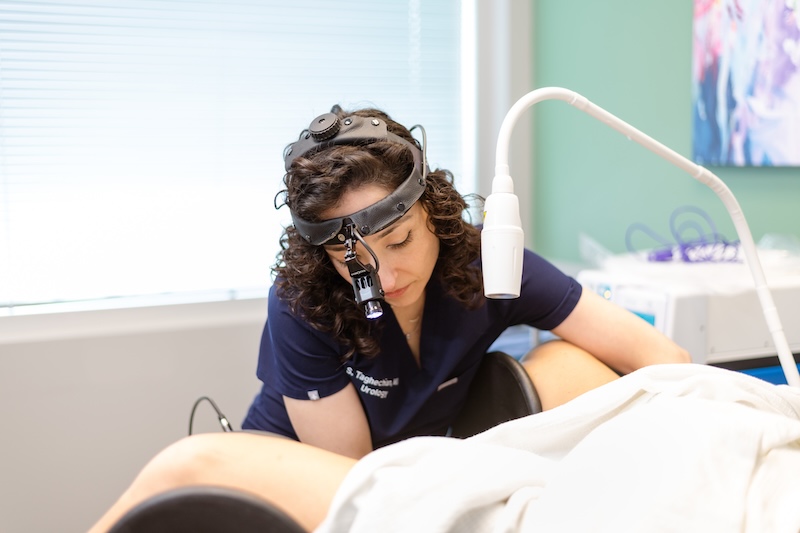
Pelvic organ prolapse occurs when weakened pelvic muscles and tissues can no longer fully support organs such as the bladder, uterus, or rectum, causing them to shift or bulge. It’s common in women as the age, those who have had multiple pregnancies, or undergone pelvic surgery.
Symptoms may include pelvic pressure, a feeling of heaviness or “dropping,” urinary or bowel changes, and discomfort during daily activities or intimacy.
Treatment options range from lifestyle and exercise changes, to pelvic floor physical therapy, implantable devices, and surgical procedures designed to restore support, relieve symptoms, and address related issues like incontinence.
Learn MoreWhether you're dealing with Overactive Bladder (OAB), urinary tract infections, urinary incontinence, or any other urologic condition, our experts are here to provide the highest quality of care.
Learn more about the female urological conditions we treat and the advanced procedures we employ. Select a group to explore further.

Overactive Bladder
Would you like to discuss one of these conditions further?
Schedule an Appointment
Incontinence
Would you like to discuss one of these conditions further?
Schedule an Appointment
Bladder Diagnostics
Would you like to discuss one of these conditions further?
Schedule an Appointment
Urinary Health
Would you like to discuss one of these conditions further?
Schedule an Appointment
Pelvic Health
Would you like to discuss one of these conditions further?
Schedule an Appointment
Leaking when you sneeze, run, bear down, stand up, or clear your throat is a treatable problem, and you have options. Bulkamid is one particularly appealing option within that spectrum....
Read Article
Mushrooms have gotten a lot of attention lately for their immune support, antioxidant power, anti-inflammatory effects, and disease prevention. Does that mean they’re also good for your urinary system? There’s...
Read ArticleA Tale of Two Therapies: TRT and HRT in Women
Media coverage of hormone replacement therapies has seen a surge in the last several months, spotlighting a surprising trend: women...Read
A Long-Overdue Reset: The FDA’s HRT Label Change
Conversations about hormone replacement therapy (HRT) have carried a degree of hesitation for many years – on both sides of...Read