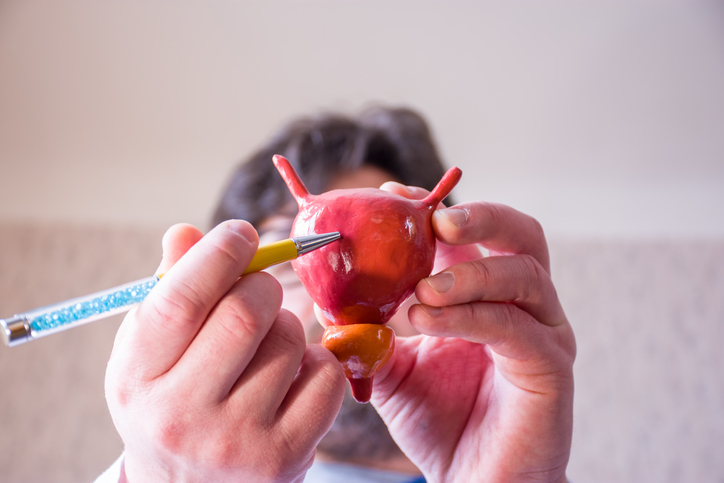
What can urodynamic testing do for you?
If you are having problems with urination, you may benefit from undergoing urodynamic testing. Below is some information to help you understand how this process works and why it will help.
What is Urodynamic Testing?
Urodynamic testing examines the function of the urethra, bladder and related sphincters. Common examples of urodynamic tests include:
- Electromyography – Electromyography evaluates the electrical activity of nerves and muscles around the bladder.
- Pressure flow studies – This type of test measures the amount of pressure the bladder requires in order to urinate, as well as the flow rate during urination.
- Leak point pressure measurements – If your issue is the spontaneous leakage of urine, a leak point pressure measurement will determine the pressure in the bladder when leakage occurs.
- Cystometric tests – This test measures the amount of urine the bladder can hold before the urge to urinate begins. It also measures the amount of pressure in the bladder.
- Postvoid residual measurement – A postvoid residual measurement tells your doctor how much urine remains in your bladder after you have emptied it.
- Uroflowmetry – This test measures the amount of urine that leaves your bladder during urination, as well as the rate at which urine is released.
Depending on the type of test your doctor orders, you may or may not need to arrive with a full bladder. After the test, you may experience some minor discomfort, especially while urinating.
When Do You Need an Urodynamic Test?
Your doctor may order a urodynamic test to diagnose a number of different issues in the urinary tract. Some symptoms that may prompt the doctor to recommend urodynamic testing include repeated urinary tract infections, inability to empty the bladder completely, trouble beginning a urine stream, sudden urge to urinate, pain while urinating, urinating too frequently and leakage of urine.
Understanding Your Test Results
If your urodynamic test results are normal, it means that the cause of your issue was not discovered during the testing process. In this case, your doctor may order additional tests in an attempt to resolve the problem. If your test results are abnormal, it means that the part of your bladder, urethra or sphincters that was examined is not functioning normally. Depending on the nature of the issue, your doctor may recommend a specific type of treatment and/or additional testing to learn more about the problem.
If you think you could benefit from urodynamic testing, contact us here to schedule you’re appointment today: gaurology.com/contact-us.