What Happens When You Get Kidney Stones But Only Have One Kidney?
About 8.8 percent of the population in the U.S. will experience the pain of a kidney stone, according to a 2012 study published in European Urology. That adds up to about half a million people every year, or 1 in 10, and those numbers are rising, the National Kidney Foundation says.
But what happens if you were born with only one kidney or lost one to disease or trauma? How does that affect your diagnosis and treatment if you get a kidney stone?
What is a Kidney Stone?
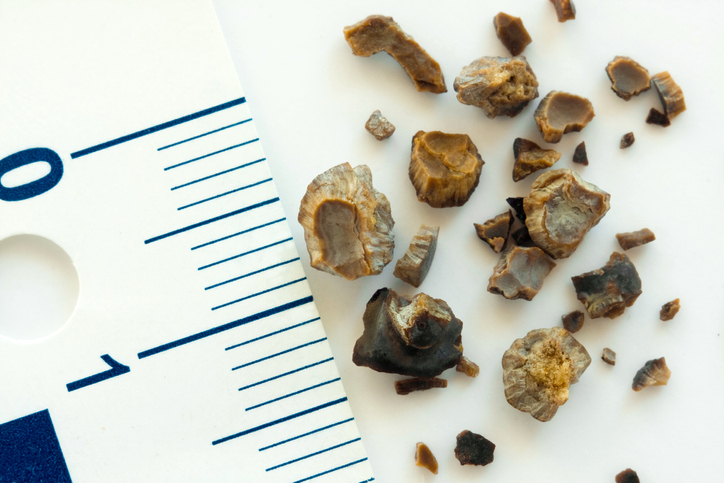
A kidney stone is a solid mass that forms from elements in urine. Most are very small and pass through unnoticed. Some, however, are large enough to get trapped, usually in the urinary tract. The result is blocked urinary flow and a lot of pain.
Symptoms of a kidney stone include:
- Severe side or back pain that may spread to the groin
- Pain that comes in waves and may intensify when you have to urinate
- Pink, red or brown urine
- Cloudy or foul-smelling urine
- Nausea
- Frequent urination or bladder pressure
- Difficulty urinating
The pain of a stone may seem to move around, as well.
How Having One Kidney Affects a Kidney Stone
The same things that cause a person with two kidneys to get stones can put a patient with just one at risk. For example, failing to drink enough water is a risk factor, as is obesity or a high protein diet.
When you have just one kidney, you do have to be careful not to damage it, though. If you have symptoms of a stone, see your doctor right away for a proper diagnosis. A person with kidney stones can develop chronic kidney disease that will affect the health of your remaining organ.
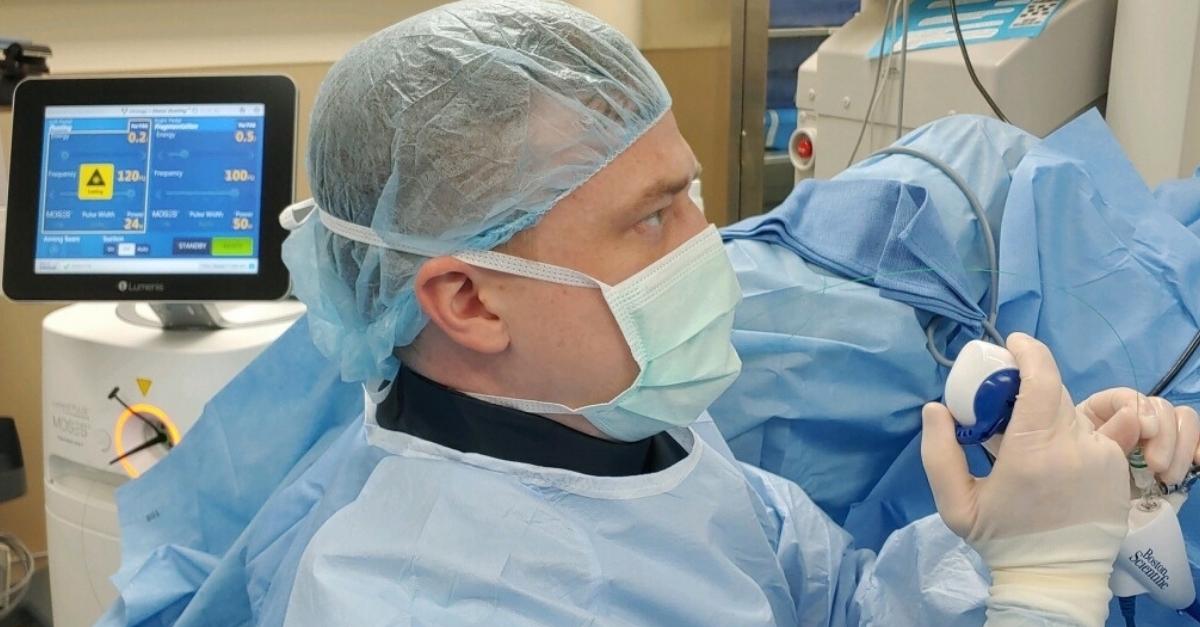
The doctor may want to take steps to help you pass the stone, such as using a noninvasive treatment to break it up. Having one stone increases your risk of more forming, too. You may need to change your diet or take medication to manage the condition.
The most important thing is not to ignore any sign that there is a problem with your kidney, whether it is a stone or not. People with one working kidney need a function check at least once a year.
If you think you could be at risk for kidney stones, please contact Georgia Urology today to schedule an appointment and learn more about your treatment options.