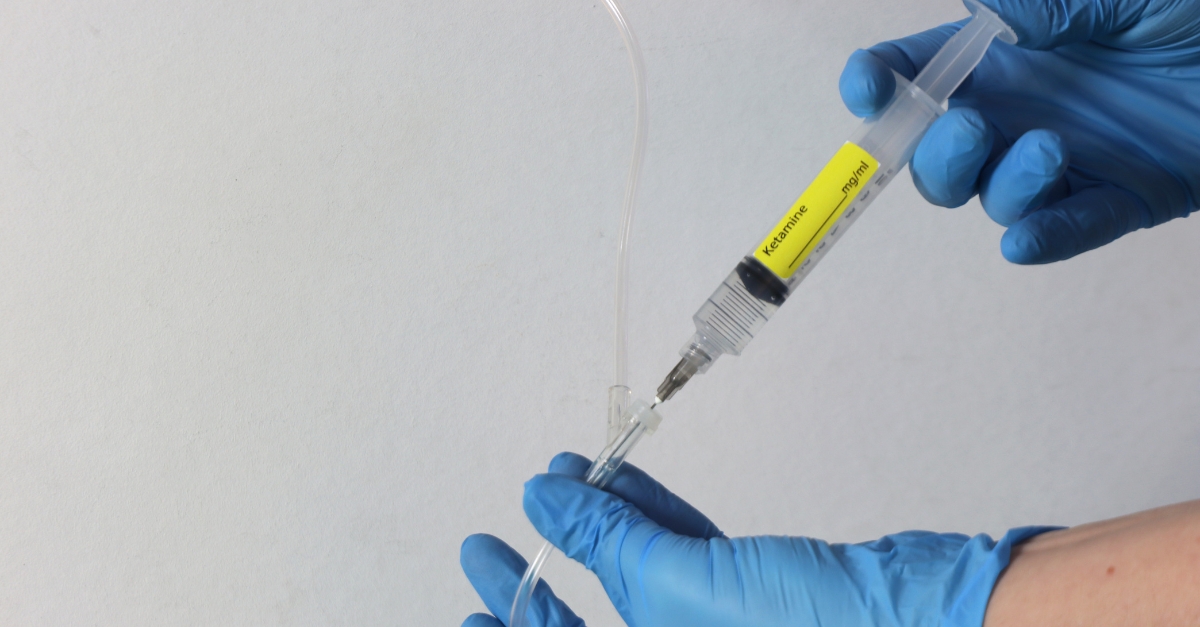
Ketamine Use & Bladder Dysfunction: A Little-Known Fact
Ketamine bladder syndrome is a constellation of urinary tract issues brought about by ketamine use. This is typically more concerning in recreational users, rather than in the therapeutic environment, because ketamine bladder syndrome tends to be more severe and ultimately irreversible after prolonged or chronic usage.
Ketamine has been touted as a relatively safe drug with substantial clinical benefits when it comes to its fast-acting antidepressant effect. Because of its dissociative anesthetic effect, it is also widely used in trauma and emergency surgery environments as well as in the pediatric setting, often when treating fractures. However, the broader use of ketamine and a growing chorus of voices calling for its unequivocal legalization have also ushered in its increased use as a recreational drug. Of course, the drug may be made available for wider clinical use, pending the FDA’s interpretation of a significant body of new research. However, as urologists who see bladder disorders regularly, it’s important to disseminate information about ketamine bladder syndrome and what it means for anyone who takes ketamine recreationally.
This concern was thrust to the top of public consciousness in part because of a recent New York Times article that discusses Elon Musk’s reported ketamine use (which he has since denied) and the bladder issues that he may have faced as a result. It’s important to note that Georgia Urology did not treat Mr. Musk, nor do we have any idea of the quantity or frequency of ketamine use or whether he used it at all. Regardless, this is an important topic to discuss.
What Exactly Is Ketamine Bladder Syndrome?
Ketamine bladder syndrome is a constellation of urinary tract issues that occur because of the use of ketamine. This is typically more concerning in the recreational use environment, rather than therapeutic, because ketamine bladder syndrome tends to be more severe and ultimately irreversible after prolonged or chronic usage. Because ketamine has only recently resurfaced in the public mind, most users and even many medical professionals do not have a firm grasp on recognizing ketamine bladder syndrome early.
Like many drugs, ketamine has a profound effect on the body and mind. People who use ketamine in significant quantities experience a psychedelic trip and paralytic impact known as a K-hole. It’s a sense of detachment between body and mind. An out-of-body experience is how it is most often described. However, as with most drugs, the effect soon wears off, and the body becomes more tolerant to future use. As a result, users require ever greater quantities of the drug to enjoy the same feeling.
The Symptoms
A significant number of ketamine users experience lower urinary tract symptoms. The literature has not agreed on a prevalence, but upwards of 20% of users could experience varying symptoms. Some of the most common symptoms are a weakened bladder, ulcers in the lower urinary tract, a small bladder, and even fluid retention in the kidneys that can ultimately lead to kidney failure. The severity and permanence of these symptoms seem to be directly correlated to the quantity and frequency of chronic use.
Treating and Preventing Ketamine Bladder Syndrome
Unfortunately, treatment for ketamine bladder syndrome is complicated, especially in chronic users who may have irreversible damage to their bladder and kidneys. Cessation of ketamine use in many cases helps improve or reverse some of the most severe symptoms. However, some patients who do not see improvement in their LUTS may require reconstructive surgery to account for a critically damaged bladder.
To that end, prevention is key, and the most crucial way to ensure this is complete abstinence from recreational ketamine use. There remains a solid clinical case for ketamine use in certain patients, but this is almost always short-term, and therefore, ketamine bladder syndrome is highly unlikely. However, any ketamine users who are experiencing lower urinary tract symptoms, no matter how mild, should stop using ketamine and speak to a qualified urologist to help them reverse the effects.
Reference:
- Srirangam S, Mercer J. Ketamine bladder syndrome: an important differential
diagnosis when assessing a patient with persistent lower urinary tract symptoms. BMJ Case Rep. 2012 Sep 30;2012:bcr2012006447. doi: 10.1136/bcr-2012-006447. PMID: 23035160;
PMCID: PMC4544340.