The Latest Tools in Men’s Health – Now at Georgia Urology
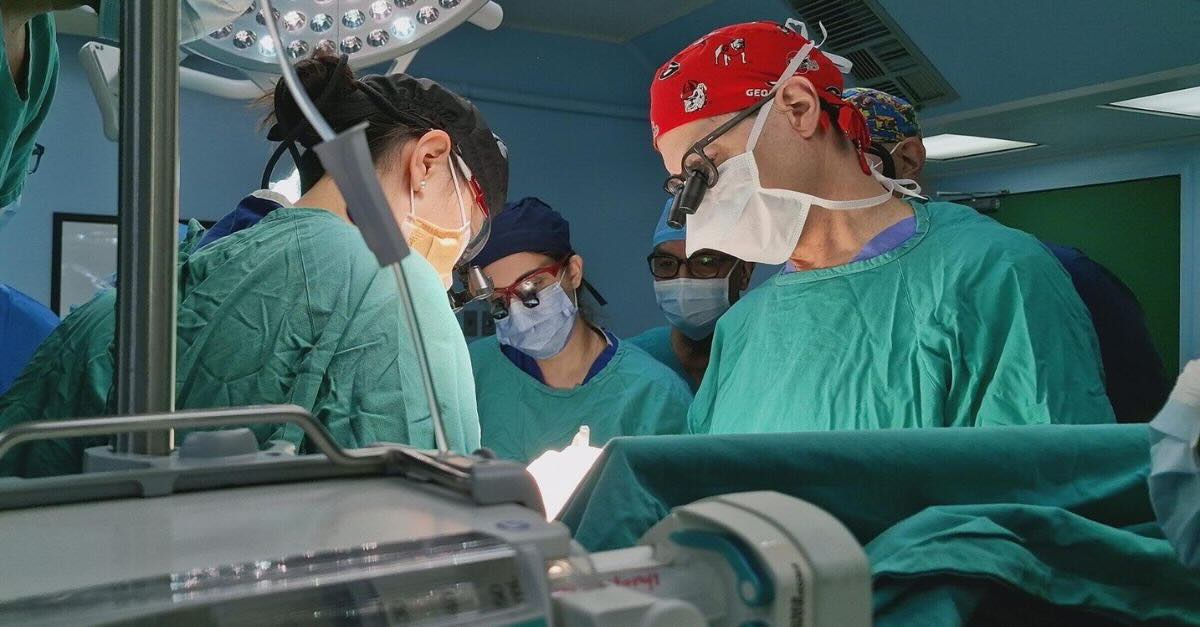
Georgia Urology is proud to bring game-changing, minimally invasive technologies to men’s health care. These innovative treatments are designed to address low-grade prostate cancer, kidney stones, and enlarged prostate (BPH) without the need for traditional surgery, offering patients faster recovery, less discomfort, and better outcomes.
CVAC System – Gentle, Comprehensive Kidney Stone Removal
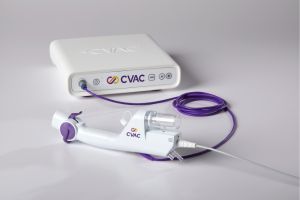 CVAC provides a precise and minimally invasive approach to kidney stone removal. Utilizing advanced suction and irrigation, this technology collects stone fragments during and after ureteroscopy with laser lithotripsy, enabling virtually complete stone clearance while minimizing trauma to the ureters and kidney, thereby allowing patients to recover comfortably and quickly.
Learn more about CVAC
NanoKnife – Targeted Therapy for Low-Grade Prostate Cancer
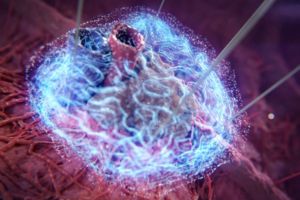 NanoKnife utilizes electrical pulses to target and destroy cancerous cells in the prostate, employing advanced technology known as electroporation. This minimally invasive option can treat some instances of low-grade prostate cancer while preserving surrounding healthy tissue, offering a promising option for men seeking treatment with fewer side effects.
Learn more about NanoKnife
Focal One HIFU – Robotic Precision for Low-Grade Prostate Cancer
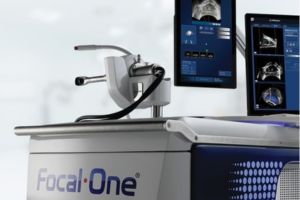 Focal One HIFU (High Intensity Focused Ultrasound) combines tried-and-true ultrasound energy and robotic guidance to deliver precise, non-invasive prostate cancer therapy. This targeted approach spares healthy tissue, allowing for effective treatment and improved quality of life.
Learn more about Focal One HIFU
Prostatic Artery Embolization (PAE) – Non-Surgical Relief for BPH
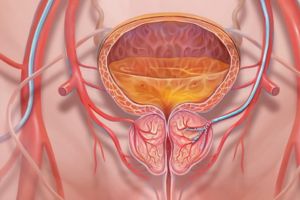 PAE is a non-surgical, non-thermal treatment that shrinks the prostate by up to 40% and has no reports of sexual dysfunction or urinary incontinence. It achieves this by reducing the prostatic blood supply using tiny microspheres to block the prostatic arteries. It provides significant relief from urinary symptoms caused by benign prostatic hyperplasia (BPH) with minimal downtime and no incisions.
Learn more about PAE