Why Do Bladders Fall in the First Place?
Dropped, fallen, prolapsed — these are all words used to describe a common condition women experience known as a cystocele. It is scary to think your bladder can fall into the vagina, but it’s common, especially among women who have given birth. Find out more about cystocele and why do bladders fall in the first place below.
What Does Fallen Bladder Mean?
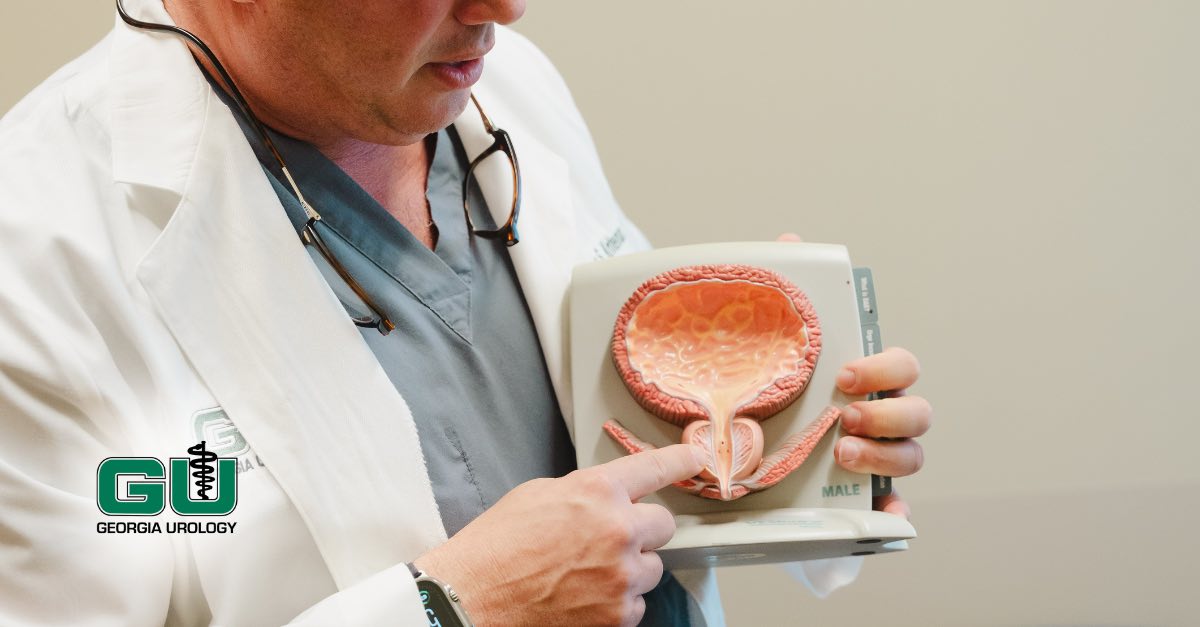
The bladder, a hollow organ located in the pelvis, is held in place by connective tissue, specifically muscle and ligaments. These muscles and ligaments serve as a barrier between the bladder and vagina, but as women grow older, this wall weakens. The tissue will start to stretch so much that the bladder sinks down toward the vagina. In medical terms, this is called anterior prolapse.
What Causes Anterior Prolapse?
Straining the supportive tissue of muscles and ligaments causes this weakening. The most common form of straining women experience is childbirth. Pushing during a vaginal labor weakens the muscle tissue holding the bladder in place. As a result, the bladder falls years later. The more times a woman goes through childbirth, the weaker the muscles and ligaments become. Therefore, having multiple children increases a woman’s risk of anterior prolapse.
Childbirth is just one potential risk factor. Others include:
- Chronic constipation – Straining to move the bowels puts stress on the connective tissue similar to labor
- Heavy lifting
- Violent coughing
- Hormone changes that come with menopause
- Hysterectomy
- Family history
- Obesity
No one factor means your bladder will fall. For most women, it’s a combination of life occurrences that cause anterior prolapse.
What Is the Treatment for Fallen Bladder?
The treatment options your doctor will suggest depend on the degree of prolapse, or how far the bladder falls. For some women, the bladder moves only slightly out of place. These women may feel pressure on their vagina or fullness in the pelvis. There may also be pain during sexual intercourse.
For other women, the prolapse is more pronounced. There may actually be tissue pushing out of the vagina. For mild prolapse, current treatments include a prosthetic device designed to hold the bladder in place or estrogen therapy to help the pelvic muscles get stronger. Serious cases will require surgery to place the bladder back into proper position.
If you are a woman experiencing urinary incontinence, pelvic pain or frequent trips to the bathroom, or if you’re still wondering why do bladders fall, contact Georgia Urology today to schedule an appointment.