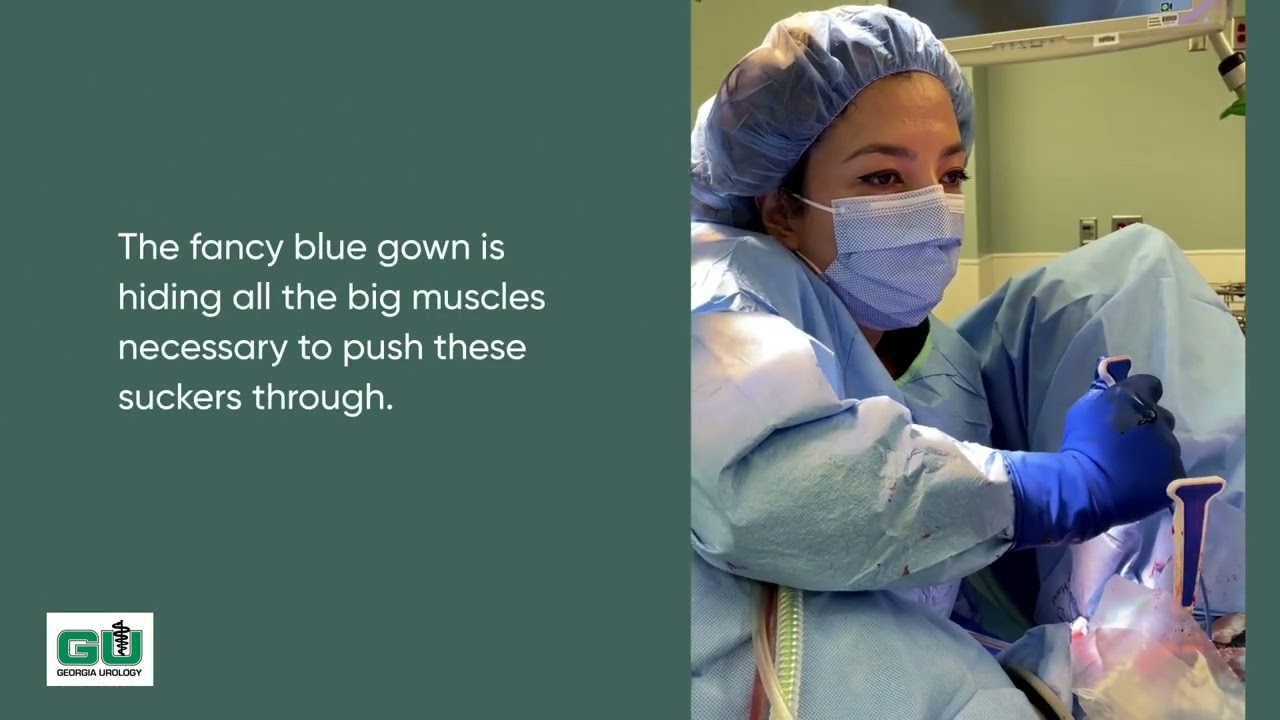
A procedure utilizing synthetic mesh is minimally invasive via a vaginal incision, and an intraoperative cystoscopy is often performed. This is a safe, highly effective endoscopic procedure used during pelvic surgery, including hysterectomies and prolapse repairs, to immediately detect, prevent, and manage lower urinary tract injuries. Using a camera, surgeons can verify bladder integrity, healthy ureteral openings, and urine flow, preventing serious, delayed postoperative complications.
In an autologous procedure, fascia is harvested from the lower abdomen or thigh, and the native tissue sling is tunneled under the bladder neck and secured with sutures. Cystoscopy is also used to confirm bladder and associated structure integrity.
In both procedures, a catheter is used to temporarily drain the bladder while swelling around the urethra subsides, allowing the patient to empty their bladder properly as the sling settles.
Both procedures also require activity restrictions in which heavy lifting and sexual intercourse must be avoided. Straining during bowel movements is also avoided by using stool softeners. Proper hydration and adequate fiber intake will also alleviate bowel movement issues.
Total recovery for a mesh procedure can take up to 4 weeks, while recovery from an autologous procedure can take up to 6 weeks. Patients are advised to monitor for unusual or severe pain, urinary retention, and infection. Staying mobile during recovery, such as gentle walking, is recommended to avoid clotting events, which are a risk after any surgery.
Follow-up appointments are to the patient’s benefit so that urinary function and healing can be assessed, and complications avoided. Adverse events can occur with either surgery, even after healing, so prolonged follow-ups are recommended to detect and manage this early.
If stress urinary incontinence is affecting your quality of life, a consultation with a women’s health specialist at Georgia Urology can help determine the best treatment path. Options range from conservative measures (pelvic floor physical therapy, bladder training, or pessaries) to surgical interventions. Early evaluation will give you the best chance for safe, effective relief.
Don’t let incontinence rule your life. Contact our team at GU and take the first step toward regaining control and confidence.
FAQs
When are slings recommended for stress urinary incontinence (SUI)?
Slings are considered when conservative treatments, such as pelvic floor exercises, bladder training, or pessaries, fail to adequately control SUI.
How is the type of sling chosen?
Sling selection depends on patient anatomy, severity of SUI, history of prior surgeries, and patient preference.
Do FDA and AUA restrictions on transvaginal mesh for pelvic organ prolapse (POP) apply to SUI midurethral slings?
No. Restrictions for transvaginal POP mesh do not apply to midurethral slings for SUI, which remain supported by both the FDA and American Urological Association (AUA) guidance.
How does surgeon experience affect outcomes?
Surgeon training and case volume impact complication rates. Well-versed and experienced surgeons typically achieve lower rates of adverse events.
What are mini-slings and how reliable are they?
Mini-slings are shorter, less invasive midurethral slings. Long-term data are still limited, so their use is more selective.
What are first-line treatments for SUI?
Pelvic floor muscle training (PFMT) supervised by a trained physiotherapist is the most common first-line approach. Bulkamid is also a less invasive first-line treatment that adds “bulk” to the urethra with a water-based gel. It restores the urethra’s natural closing mechanism to stop involuntary urine leaks.
Can lifestyle changes help with SUI?
It’s possible. Healthy weight loss and diet modifications can reduce symptoms, and some vaginal devices can help manage leakage during physical activity.
Are medications an option for SUI?
No, SUI is an anatomic problem that needs to be addressed with an anatomic repair.