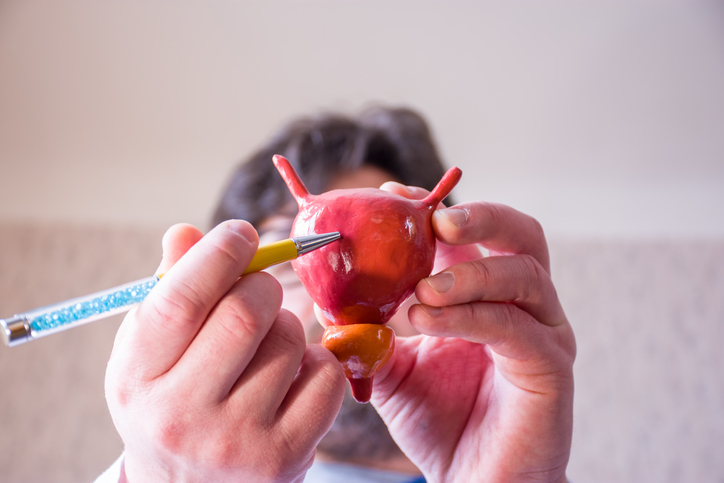
Cryosurgery: A Treatment for Prostate Cancer
By Dr. Barry M. Zisholtz, M.D., F.A.C.S.
Many patients and physicians are aware of the more common treatments for prostate cancer, such as surgical removal of the gland and radiation therapy with or without seed implantation. However, some people have not heard of cryosurgery, a procedure that freezes a growth and destroys the tumor by delivering cold ice to temperatures of minus 40 degrees Celsius (-40 degrees Fahrenheit).
Benefits and Risks
Cryosurgery is a minimally invasive procedure. Many times, it’s preferred to more traditional kinds of surgery because of its minimal pain and scarring.
However, as with any medical treatment, there are risks involved, primarily that of damage to nearby healthy tissue. Damage to nerve tissue is of particular concern. In addition, patients undergoing cryosurgery usually experience redness and minor local pain or discomfort.
Who Should Get Cryosurgery?
While this treatment has been used to treat prostate cancer for over 20 years, it’s a newer technology that has become very safe and effective and almost always performed as an outpatient procedure. Here are the patients this particular surgery will benefit the most:
- It is an excellent choice for men who have a recurrence after radiation and in selective individuals.
- It is a great primary treatment, especially for an elderly man with a small about of disease.
- In selective patients, cryosurgery of the prostate can be focused on a selective area of the gland without freezing the entire prostate. That is important in men who wish to preserve their potency.
How Does Cryosurgery Work?
The procedure is performed in the operation room without any incisions.
Depending upon the size of the prostate, small needles called 6-8 Cryo probes are directed into the prostate using ultrasound guidance. Two freezing cycles are performed and a catheter is left at the end of the procedure for a few days to allow any swelling to resolve.
Post-operative instructions involve ice packs and catheter care, as there is usually not much pain.
Patients are monitored over the months and years with physical exams and PSA blood tests similar to after surgery or radiation therapy.
This is a procedure that can be repeated if needed, especially in a patient who initially had a focal treatment.
If you’re interested to hear more about cryosurgery, contact the expert at Georgia Urology today!