Can Diet Really Affect Overactive Bladder?
Constantly searching for bathrooms for your overactive bladder? Certain foods and drinks can irritate the bladder or worsen urgency and frequency. Other dietary items can help soothe and support the bladder.
More than 33 million Americans live with overactive bladder (OAB).¹ That’s a lot of people frustrated by constantly having to pause daily activities to look for a bathroom.
As the name implies, OAB is caused by the bladder muscles contracting more often than they should, even when the bladder is not full. It entails a sudden, difficult-to-control urge to urinate, often accompanied by frequent trips to the bathroom, nighttime urination, and sometimes urine leakage when the urge comes on too quickly.
Managing OAB can range from bladder training and pelvic floor therapy to medications and nerve stimulation. But there’s another overlooked piece of the puzzle: your kitchen.
How Foods Affect Your Bladder
Your morning coffee, favorite spicy foods, or even how much water you drink can affect bladder function. When your body processes the foods and drinks you consume, some of their components eventually make their way into your urine. Because urine is stored in the bladder before leaving the body, substances from certain foods and beverages can come into contact with the bladder wall and trigger symptoms in some people. The result may be a stronger urge to urinate, more frequent trips to the bathroom, or increased bladder discomfort.
A bladder diary can be useful for identifying food-symptom patterns. By tracking what you eat and drink alongside when symptoms occur, you might start to notice connections. This can help you make targeted changes rather than unnecessarily restricting your diet.
A Bladder-Friendly Diet
Some of the most common bladder irritants include coffee and other caffeinated beverages, alcohol, carbonated drinks, spicy and vinegar-based foods, artificial sweeteners, citrus fruits and juices, and tomato-based products. Some people find it helpful to try an elimination diet to identify their personal bladder triggers. Start by removing the known irritants mentioned here or suggested by your doctor to see if symptoms improve, then gradually reintroduce them into your diet, one at a time, noting any returning or worsening symptoms. This can help pinpoint trigger foods without unnecessarily restricting your diet long term.
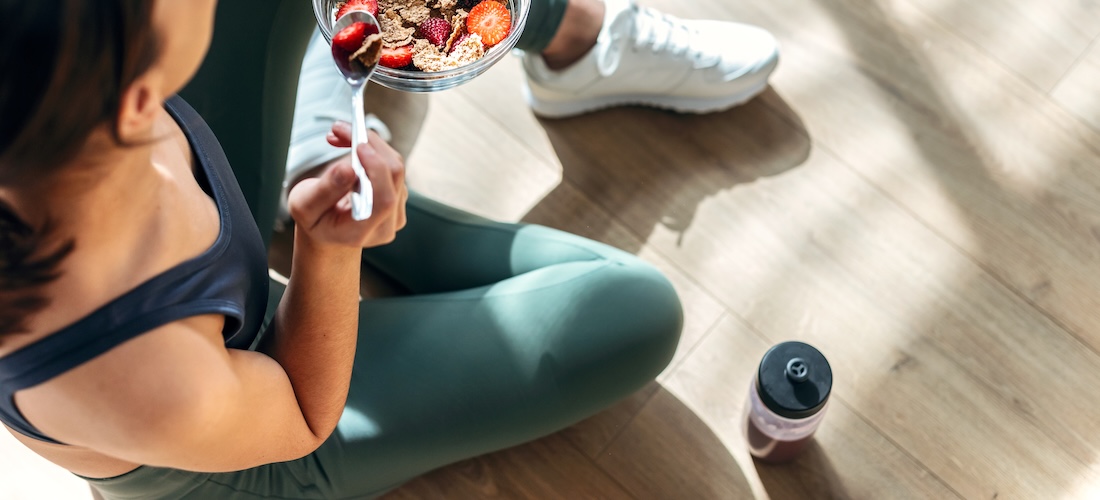
Lean proteins such as chicken, fish, turkey, eggs, and low-fat meats; fruits like bananas, apples, pears, grapes, and watermelon; and vegetables like leafy greens, carrots, cucumbers, squash, potatoes, and green beans are generally less likely to irritate the bladder and can add nutrients without triggering symptoms. Fiber-rich foods can help indirectly by promoting healthy digestion and preventing constipation, which can put additional pressure on the bladder.
Adding hydration to your journal is also helpful. It might seem intuitive to drink less water to avoid frequent trips to the bathroom, but the opposite is actually true – too little fluid can actually make symptoms worse. When urine becomes more concentrated, it can irritate the bladder and increase urgency. (Not to mention it can also make you more prone to kidney stones.) Instead of limiting fluids, focus on drinking enough water throughout the day and spacing out your intake. Drinking at least 60 ounces per day is recommended for most individuals, but your ideal intake depends on your individual needs.
Even though a clean diet can help with symptoms, if symptoms are affecting your daily life, it may be time to talk with a specialist at Georgia Urology.
If diet changes and lifestyle adjustments are not enough to manage overactive bladder symptoms, additional treatment options are available. Georgia Urology specializes in advanced therapies such as Botox® bladder injections, percutaneous tibial nerve stimulation (PTNS), and sacral neuromodulation (SNM). You can also learn more about OAB and treatment options by joining one of Georgia Urology’s physician-led webinars.
Reference:
- National Association for Continence. (2023). The Overactive Bladder Diet. National Association for Continence. https://nafc.org/bhealth-blog/the-overactive-bladder-diet/.