Botox isn’t just for wrinkles. It can also calm an overactive bladder. For people dealing with sudden, hard-to-control urges to urinate, or urine leakage before they can reach the bathroom, bladder Botox may help you spend less time worrying about where the nearest bathroom is.
It might sound a little strange at first, but yes, the same type of treatment used to smooth facial wrinkles can also be used to help manage certain bladder problems.
If you regularly find yourself making frequent trips to the bathroom, or sometimes leak urine before you can get there, you may be dealing with overactive bladder (OAB) or urge incontinence. If you’ve already tried things like lifestyle changes, medications, or other treatments, Botox may be another option to discuss with your urologist.
Botox has been shown to reduce OAB symptoms in 75% of patients who were treated.
Botox doesn’t “freeze” your bladder as it appears to do with facial expressions. Botox helps calm the bladder muscle so it doesn’t contract when it shouldn’t. The result can be fewer urgent trips to the bathroom, fewer leaks, and a little more confidence that your bladder isn’t going to call the shots all day.
About OAB and Urge Incontinence
Before talking about how Botox can help, it helps to understand what is happening with your bladder.
Overactive bladder, or OAB, is a group of symptoms that includes a sudden, difficult-to-control urge to urinate. You may also find yourself urinating more often than usual, waking up during the night to use the bathroom, or keeping tabs on where the nearest bathroom is.
Urge incontinence is when that sudden urge leads to urine leakage. You feel like you have to go right now and don’t always make it to the bathroom in time.
OAB and urge incontinence often go together, but they aren’t the same thing. You can have an overactive bladder without leaking urine. You can also have other types of urinary incontinence, such as stress incontinence, which happens when urine leaks with activities such as coughing, sneezing, exercising, or lifting.
There are several treatment options available, and Botox is one option that may help when other treatments haven’t provided enough relief.
How Botox for the Bladder Actually Works
It’s gone from clearing wrinkles on the face to controlling urinary urges. We know it piques people’s curiosity.
Botox works by temporarily blocking some of the signals between nerves and muscles. In the face, it relaxes the muscles to dissipate wrinkles. When it is injected into the bladder muscle, it helps reduce unwanted bladder contractions. It gives your bladder more time to fill before you feel the need to go and can equate to fewer urgent trips to the bathroom and fewer episodes of leakage.
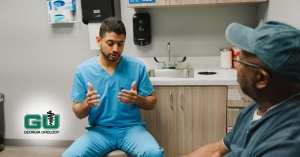
Bladder Botox is given as a series of small injections directly into the bladder muscle. The procedure is usually done in your urologist’s office, and most people tolerate it well. A local anesthetic is used to help minimize discomfort during the procedure, and you may have some temporary discomfort afterward. The procedure itself is generally quick, followed by a short observation period of about 30 minutes. (If you want a visual, check out this video.)
The whole procedure takes about 5 minutes, start to finish, and patients are comfortable throughout it.
You may not notice a difference immediately, but symptoms should begin to improve within a few days. For some individuals, it can take a little longer to notice the full effect. The results typically last several months. Just like Botox in the face, the results are temporary and require follow-up treatments. When the effects wear off and symptoms return, the treatment can be repeated if your urologist determines that it is still appropriate for you.
Like any treatment, bladder Botox has potential side effects. One of the most important is difficulty emptying your bladder, also called urinary retention. Your urologist will talk with you about this risk and may check how well you are emptying your bladder after treatment.
Because bladder Botox is a medical procedure, it is important to choose a qualified practitioner who has experience performing these injections. At Georgia Urology, our “Top Doc” specialists treat a wide range of conditions, from overactive bladder and incontinence to prostate health and sexual wellness. If overactive bladder or urge incontinence is interfering with your daily life, we’ll help you understand your options and find a solution that’s right for you.