Is Oxidative Stress Aging Your Bladder?
Oxidative stress occurs when reactive oxygen species (ROS) build up faster than the body can control them. As we age, changes in antioxidant defenses and cellular repair may make it harder for the body to keep oxidative stress in check. While ROS are part of normal cellular function, too much can damage cells and contribute to inflammation. The urinary tract doesn’t escape that process.
At a basic level, oxidative stress occurs when the production of reactive oxygen species (ROS) – chemically reactive molecules produced during normal metabolism and in response to things like inflammation – outpaces the body’s antioxidant defenses.
ROS aren’t inherently bad. Your cells use them for normal signaling and immune functions. The problem is an imbalance: too much ROS or not enough antioxidant capacity to keep them in check.
As we age, antioxidant defenses and cellular repair mechanisms change and cumulative exposure to oxidative stress increases. Many people think of age-related oxidative stress in terms of skin health – wrinkles, fine lines, and dark spots showing up as cells break down. But the urinary tract doesn’t escape that process either. Age-related oxidative damage may contribute to changes in bladder function, kidney function, and other urologic conditions.
It would be misleading to imply that oxidative stress is the underlying cause of every urinary problem as we age or that taking an antioxidant supplement will prevent urologic disease. The science is much more complicated than that. Oxidative stress is a biological mechanism, not a diagnosis. What we’re talking about here is an interaction between the body and ROS, and the potential bidirectional effect on both.
The Impact of Oxidative Stress
The kidneys filter your blood, the bladder stores urine, and the lower urinary tract has to coordinate muscles, nerves, blood vessels, and other tissues to release urine at the right time. It’s a complex system, and oxidative stress can affect several parts of it.
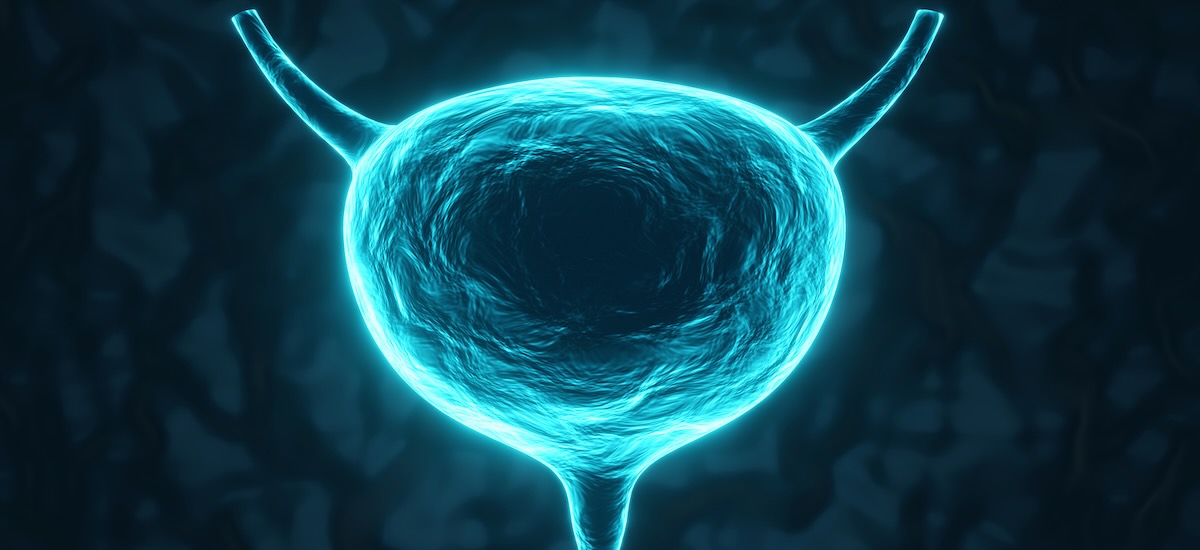
Oxidative stress can affect bladder smooth muscle, nerves, blood vessels, and the urothelial lining, the protective layer of cells that separates urine from the underlying bladder tissue. Although researchers are still working to understand the relationship, oxidative stress and inflammation are linked to bladder dysfunction, including changes seen with aging and conditions such as overactive bladder (OAB).¹ Animal studies of bladder outlet obstruction have also found evidence of oxidative damage along with changes in bladder structure and function.²
Lower urinary tract symptoms (LUTS) include a wide range of bladder and urination problems, including having to urinate frequently, sudden urgency, nighttime urination, leakage, a weak or interrupted stream, difficulty starting urination, or feeling like you haven’t completely emptied your bladder. These symptoms become more common with age and can occur alongside conditions such as benign prostatic hyperplasia (BPH), urinary tract infections (UTIs), bladder stones, and other urinary problems. Research suggests that the combination of weaker antioxidant defenses as we age and cumulative oxidative stress linked to chronic disease may contribute to changes in the bladder, urethra, and prostate that can affect how the lower urinary tract functions.³
Kidney stones are another example of how oxidative stress and inflammation can interact with the urinary system. When crystals form and begin accumulating in the kidneys, they can irritate and injure renal cells. That cellular injury can trigger an inflammatory response, while the resulting inflammation can generate additional ROS. In other words, oxidative stress and inflammation may reinforce one another, creating an environment that can promote further tissue damage and stone development. Kidney stones have many contributing factors, including urine chemistry, hydration, diet, genetics, and other metabolic factors, and researchers are finding associations between oxidative stress, inflammatory signaling, and calcium oxalate crystal formation. Oxidative stress has also been implicated in kidney injury and the progression of chronic kidney disease as part of a much larger disease process.⁴
That may sound like a lot happening at the cellular level, but the takeaway is fairly simple: oxidative stress can affect the tissues responsible for filtering urine, storing it, and moving it out of the body. Oxidative stress isn’t necessarily the cause of a urinary problem, but it does appear to be one of the mechanisms that contributes to urinary system changes as we get older.
Can You Stop It?
It’s not possible to “stop” oxidative stress – and you wouldn’t want to, because ROS have necessary functions. The goal is supporting the systems that keep oxidative stress in balance and reduce some of the factors that can contribute to excessive ROS. The research gives us some interesting urinary-specific possibilities, but most of the supplement and compound research is still preclinical.
One of the simplest places to start is with your diet. Whole foods like berries, green tea, leafy greens, citrus fruits, nuts, and other plant foods provide naturally occurring antioxidants, and in particular, polyphenols and flavonoids. These substances have antioxidant and anti-inflammatory properties that are being studied for their potential effects on urinary health and kidney stones. (Note: This is not to be understood as certain foods having the capability to “flush out” oxidative stress or prevent kidney stones. Kidney stone prevention depends on the type of stone and individual risk factors, and adequate hydration remains one of the most important ways to reduce the concentration of stone-forming substances in the urine.)
Believe it or not, exercise affects inflammation, metabolism, cardiovascular health, and the body’s antioxidant systems. In general, regular moderate physical activity is associated with better overall health and can help address some of the chronic conditions that are associated with oxidative stress.
Managing chronic conditions like diabetes, cardiovascular disease, and obesity can also lighten the ROS load because they can contribute to inflammation and oxidative stress. They can also place additional stress on the urinary system when left unchecked.
You may be wondering, “What about antioxidant supplements?” Researchers have studied compounds such as CoQ10, melatonin, omega-3 fatty acids, curcumin, resveratrol, and other natural compounds for their potential antioxidant and anti-inflammatory effects on bladder dysfunction and kidney stones. Some results are promising, but much of the urinary-specific research has been conducted in cells or animal models. That isn’t enough evidence to say that taking these supplements will prevent overactive bladder, bladder outlet obstruction, kidney stones, or age-related urinary changes.⁵⁻⁶
For now, the most practical approach is less about chasing a specific antioxidant and more about supporting your overall health: eat a varied, nutrient-dense diet, stay active, drink enough water, manage chronic health conditions, avoid smoking, and talk with your healthcare provider about persistent urinary symptoms rather than assuming they’re simply a normal part of aging.
That last part is particularly important. Changes in urination are common as we get older, but they’re not something you’re resigned to live with. Frequent urination, urgency, leakage, a weak stream, difficulty emptying your bladder, or recurrent kidney stones all deserve attention because there may be a treatable underlying cause.
For more than 50 years, Georgia Urology has provided comprehensive urologic care through a team of experienced specialists. Our team of “Top Doc” physicians treats a wide range of conditions, from urologic cancers and kidney stones to bladder problems, men’s health, and sexual wellness. With expertise across many areas of urology, we help patients understand their symptoms, identify potential causes, and find appropriate treatment options.
References:
- Wu, Y.-H., Chueh, K.-S., Chuang, S.-M., Long, C.-Y., Lu, J.-H., & Juan, Y.-S. (2021). Bladder Hyperactivity Induced by Oxidative Stress and Bladder Ischemia: A Review of Treatment Strategies with Antioxidants. International Journal of Molecular Sciences, 22(11), 6014. https://doi.org/10.3390/ijms22116014.
- Miyata, Y., Matsuo, T., Mitsunari, K., Asai, A., Ohba, K., & Sakai, H. (2019). A Review of Oxidative Stress and Urinary Dysfunction Caused by Bladder Outlet Obstruction and Treatments Using Antioxidants. Antioxidants (Basel, Switzerland), 8(5), 132. https://doi.org/10.3390/antiox8050132.
- Andersson, K.-E. (2022). Oxidative Stress and Its Relation to Lower Urinary Tract Symptoms. International Neurourology Journal, 26(4), 261–267. https://doi.org/10.5213/inj.2244190.095.
- Sun, Y., Sun, H., Zhang, Z., Tan, F., Qu, Y., Lei, X., Xu, Q., Wang, J., Shu, L., Xiao, H., Yang, Z., & Liu, H. (2024). New insight into oxidative stress and inflammatory responses to kidney stones: Potential therapeutic strategies with natural active ingredients. Biomedicine & Pharmacotherapy, 179. https://doi.org/10.1016/j.biopha.2024.117333.
- Wu, Y.-H., Chueh, K.-S., Chuang, S.-M., Long, C.-Y., Lu, J.-H., & Juan, Y.-S. (2021). Bladder Hyperactivity Induced by Oxidative Stress and Bladder Ischemia: A Review of Treatment Strategies with Antioxidants. International Journal of Molecular Sciences, 22(11), 6014. https://doi.org/10.3390/ijms22116014.
- Sun, Y., Sun, H., Zhang, Z., Tan, F., Qu, Y., Lei, X., Xu, Q., Wang, J., Shu, L., Xiao, H., Yang, Z., & Liu, H. (2024). New insight into oxidative stress and inflammatory responses to kidney stones: Potential therapeutic strategies with natural active ingredients. Biomedicine & Pharmacotherapy, 179. https://doi.org/10.1016/j.biopha.2024.117333.