Urinary incontinence can be both inconvenient and embarrassing. For this reason, people who suffer from this condition are always looking for ways to control their symptoms and prevent accidents. If you deal with urinary incontinence, avoiding the dietary triggers below may help to reduce your symptoms and improve your quality of life.
1. Caffeine
Caffeine can aggravate incontinence in a number of ways. It stimulates the bladder to contract, which produces the urge to urinate, and it causes your body to produce a greater amount of urine. To prevent these issues, avoid consuming even small amounts of caffeine, which can be found in coffee, chocolate, soda and tea. If you must consume caffeine, try to do so in the morning or early afternoon.
2. Large amounts of fluid
Drinking a sufficient amount of fluid is essential for your health. However, if you drink too many liquids during the day, you may experience more frequent urges or leaks. Try to drink no more than 2 liters of fluid each day. If possible, you should drink the majority of your fluids earlier in the day and limit the amount of fluids you consume at night.
3. Spicy or acidic foods
Foods that are spicy or acidic can irritate the bladder, thus worsening the symptoms of incontinence. Foods that fall into this category include:
Tomatoes
Tea
Coffee
Citrus fruit
Peppers
4. Alcohol
Alcohol acts as a diuretic, which means that it increases the production of urine. It also lowers the amount of control you have over your bladder, and it interferes with your ability to feel the urge to urinate. Both of these effects can greatly increase the likelihood of accidents. To minimize these effects, limit your consumption of alcohol or avoid it altogether.
5. Carbonated beverages
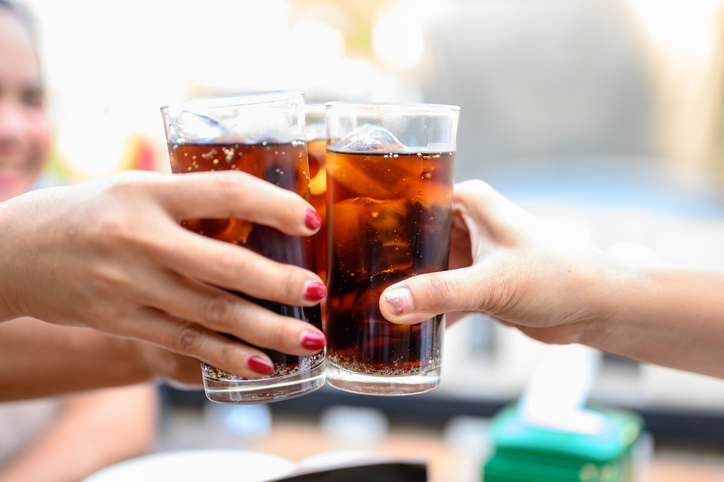
For people with sensitive bladders, carbonated beverages can become an irritant. If you notice more symptoms than usual after consuming carbonated beverages, consider removing them from your diet.
Avoiding these dietary triggers may not completely eliminate your symptoms of urinary incontinence, but it can reduce their severity and frequency. If you continue to experience severe problems with incontinence even after you have addressed dietary triggers, talk to your doctor about other methods of treatment and/or symptoms reduction.
A specialist at Georgia Urology can discuss with you how to treat and manage your condition. Call 648-284-4053 to schedule an appointment at one of our convenient Atlanta area locations.
On Saturday, October 9, 2021, Georgia Urology’s Dr. Jeffrey Proctor will host the annual ICA walk for IC/BPS awareness event in Cartersville, Georgia, which aims to raise funds for interstitial cystitis (IC/BPS) research, education, and advocacy; promote awareness in local communities; and create communities of support for IC/BPS patients and families. Registration is now open […]
Georgia Urology, the largest urology practice in Atlanta and throughout the Southeast, today announced that they will be surpassing the treatment of more than 1,500 patients with the UroLift® System, a proven, minimally invasive technology to treat men suffering from symptoms associated with Benign Prostatic Hyperplasia, or BPH. Most recently, Dr. Carl Capelouto reached his […]
When a routine but urgent surgery at a major hospital turned into a trauma case, Jane was left with damaged ureters, and her life was transformed into a struggle, dependent on nephrostomy urine bags and frequent hospital visits. “We were told [the ureter] was never irreparable,” recalled her daughter, Jill, who is Jane’s primary caregiver […]