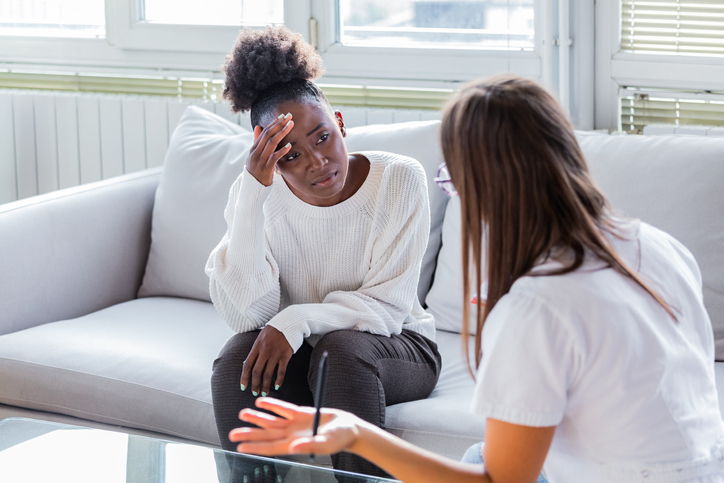
How to Get Women Talking to Their Urologist
Cultural stigma may cause women to be uncomfortable talking about their bathroom issues. But the truth is, these issues may be problems that require a specialist. Overactive bladder, for instance, affects about 33 million people in this country. However, only about 30 percent of overactive bladder patients are male, according to the American Urological Association. It is understandable to feel embarrassed by a bladder condition, but it is important to remember that your urologist only wants to help you alleviate this problem.
Want help to get women talking to their urologist? Here are four things to keep in mind when talking to your urologist to eliminate feelings of discomfort and ensure you get the best treatment possible.
You Are Not Different
Many people have an inherent fear of being different. Add to that the need for privacy regarding delicate issues such as bathroom habits, and it is no wonder a woman struggling in this area can feel isolated. However, most women experience a bladder problem at some point in their lives, especially if they have had children. Talking to your urologist can reassure you that you’re not alone and open up the discussion about how to best treat these.
It’s Not a Normal Part of Aging
One common misconception is that bladder issues are a normal part of aging, especially if you are a woman. Your urologist will explain that conditions such as overactive bladder are not simply an aspect of aging gracefully but are medical conditions that require treatment. Many bladder problems, or pelvic floor dysfunctions, may be a symptom of a more serious condition that needs treatment. Your bladder problem should not be chalked up to aging alone, and merits a urologist’s attention.
You Didn’t Cause It
Another common myth is that bladder problems are related to your past and present lifestyle. Although some lifestyle factors do affect bladder health, it is not fair to blame your bladder problem upon yourself. You are, however, responsible for the decision to simply tolerate a bladder problem as opposed to seeking treatment. Talking to your urologist can help you move past that mistaken guilt and on to living your life without discomfort.
Communication is Key
It’s necessary to build a relationship with any doctor, and a urologist is no exception. Talking to your urologist will educate you about what to expect during your exam and what kind of treatments are available. Just opening up those lines of communication will help you feel more comfortable about a subject that can be hard to discuss and will help to get women talking to their urologist.
Make an appointment with Georgia Urology today and learn more about your treatment options!