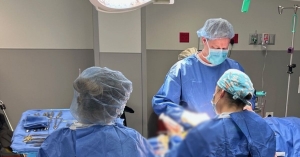
When most people hear the phrase “male reconstructive surgery,” they most likely think it means gender reassignment. While this may be true in some instances, male reconstructive surgery is also necessary for serious injuries in men that have resulted in major changes to groin appearance, physiology, and function. This is a common procedure in the urology field, and can substantially change a man’s life for the better when performed successfully. Read more below.
What Is Male Reconstructive Surgery?
Male reconstructive surgery is a procedure in which urologists reconstruct or rebuild a penis and surrounding structures. This procedure is also called male genitourinary reconstruction or penile reconstruction. Sometimes after injury, men are not able to urinate or engage in sexual activity in ways they were able to before injury or illness. This procedure works to correct these issues.
When Is Male Reconstructive Surgery Recommended?
Reconstructive surgery is typically used as a way of restoring the groin area to its former state when the patient has suffered injury or a negative effect from illness. This may result from:
A sexually transmitted disease
Congenital defects
A violent or traumatic injury to the groin area
Urethritis, or repeated swelling or inflammation in the urethra
Medical afflictions such as cancer
Procedures that involve placing a tube up the urethra, or
An enlarged prostate
What Are Its Benefits and How Well Does It Work?
Male reconstructive surgery works quite well. It typically has high success rates and results in good patient outcomes, giving many men the use of their penises and related structures that they had lost due to injury or illness. Men who undergo the surgery are likely to experience increased sensation and increased ability to engage in sexual activity.
If you are considering this surgery, it’s crucial you seek out a qualified urologist to perform the procedure. This gives you the best possible chances of restoring as much function as possible to the area, and of suffering the fewest possible complications. If you’re interested in learning more about a cutting-edge urologists who can help, make an appointment with Dr. Kristi Hebert today.
Photo Credit: Kelly Thompson Photography Georgia Urology recently supported and attended the Amplify Decatur Music Festival, which raises tens of thousands of dollars each year for the Decatur Cooperative Ministry (DCM), an interfaith organization that works tirelessly to prevent and alleviate homelessness in Decatur and Dekalb County. Georgia Urology has sponsored Amplify for each of […]
When a routine but urgent surgery at a major hospital turned into a trauma case, Jane was left with damaged ureters, and her life was transformed into a struggle, dependent on nephrostomy urine bags and frequent hospital visits. “We were told [the ureter] was never irreparable,” recalled her daughter, Jill, who is Jane’s primary caregiver […]
January 9, 2026 Georgia Urology reached an important milestone in patient care with the successful completion of its first inflatable penile prosthesis (IPP) procedure at the Braselton Ambulatory Surgery Center (ASC). Performed by Dr. Brent Sharpe, MD, this landmark case represents months of preparation, collaboration, and commitment to expanding access to advanced urologic care in […]