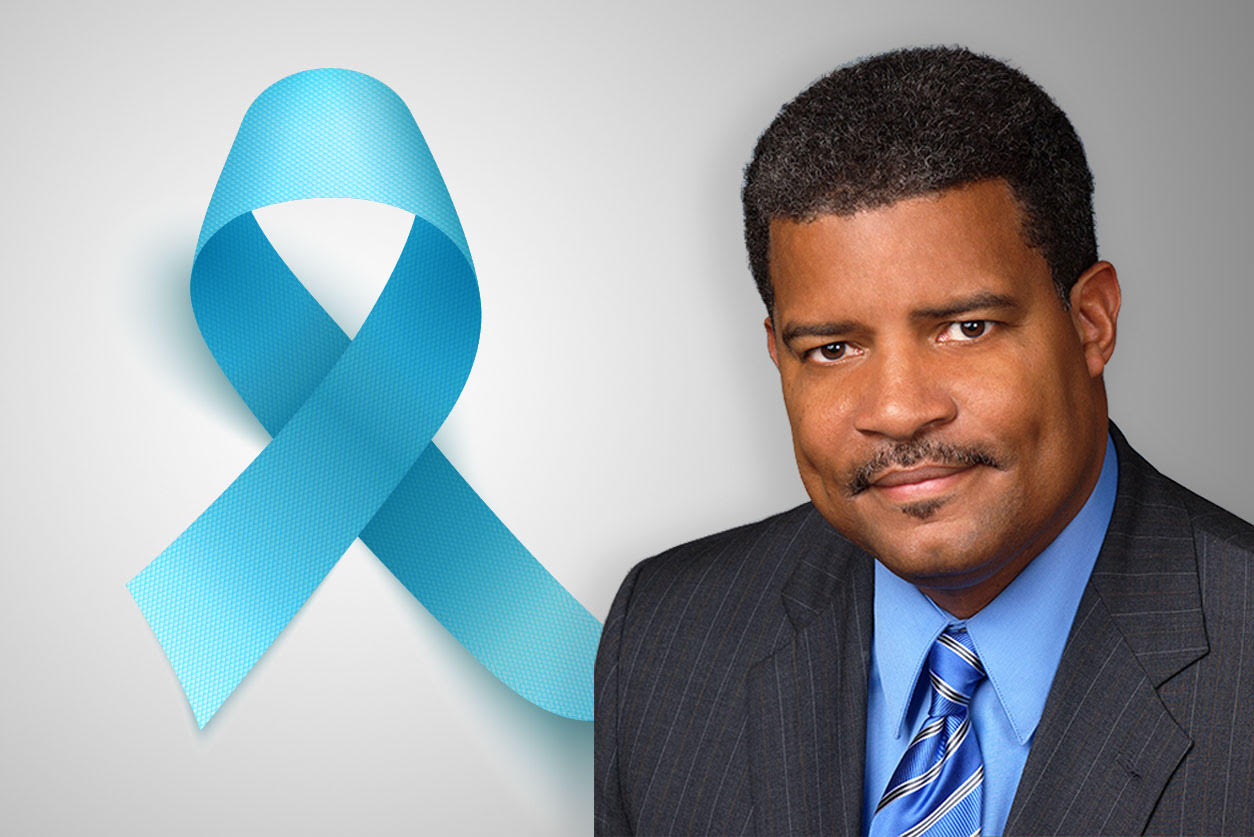
Peyronie’s Disease Front and Center
By Dr. Emerson Harrison, M.D., F.A.C.S.
Peyronie’s disease was named after the famous French surgeon Francois Gigot de la Peyronie, surgeon to King Louis XV. In 1743, Dr. Peyronie described a condition characterized by scar tissue, or plaque, that forms inside the penis. This plaque caused curvature or bending of the erect penis. This disorder is now referred to as Peyronie’s Disease.
Keep reading below to learn more about this condition and how the experts at Georgia Urology can help.
Signs and Symptoms of Peyronie’s Disease
A slight curvature of the penis is considered normal in most men. However, Peyronie’s disease is characterized by pain, hard lumps, or nodules (plaques) found within the penile shaft. This scar tissue may cause curvature as well as divots and/or indentations during erections. The condition may make sexual intercourse painful and/or difficult for the patient and his partner.
Causes of Peyronie’s Disease
The underlying cause of Peyronie’s disease is uncertain and not well understood. The cause may be related to penile trauma, injury during sexual intercourse, or physical activity, although most patients don’t remember any traumatic event or injury.
Diagnosis
Most urologists can diagnose and institute and/or suggest treatment options for the disease. In most cases, the location, size, and hardness of the plaque in the penis are identified. A penile ultrasound can provide conclusive evidence of the Peyronie’s plaque. Patients are sometimes asked to bring in a photo of the erect penis so that the urologist can assess the degree of curvature of the penis.
Treatment
Goals of treatment include relieving pain and straightening the penis to allow for a return to satisfactory intercourse. The drug Xiaflex (or collagenase clostridium hisolyticum) was originally approved to treat a hand and forearm condition called Dupuytren’s Contracture. It is now the most common and first-line treatment for Peyronie’s disease. It is injected directly into the plaque scar tissue during several courses of treatment. This therapy dissolves the plaque tissue which causes straightening of the curvature.
Surgery
Surgery is usually considered as a last resort to correct the curvature. A penile prosthesis may be appropriate in severe cases of Peyronie’s in order to straighten the penis. Sometimes physical therapy and devices such as vacuum erection pumps are used as penile traction therapy in attempts to also straighten the curvature in the penis.
Counseling
This disease can often times be a physically and psychologically debilitating disease for men and their partners. Because Peyronie’s disease is difficult to cure, counseling can help men and their partners cope with the devastating effects of the disease. It is not uncommon for men afflicted with Peyronie’s disease to develop depression or withdrawal from their sexual partners.
The expert urologists at Georgia Urology can help restore confidence back to any man suffering from Peyronie’s disease. Contact us to schedule an appointment today.