Why You Should Seek Treatment for an Overactive Bladder
January 31, 2017
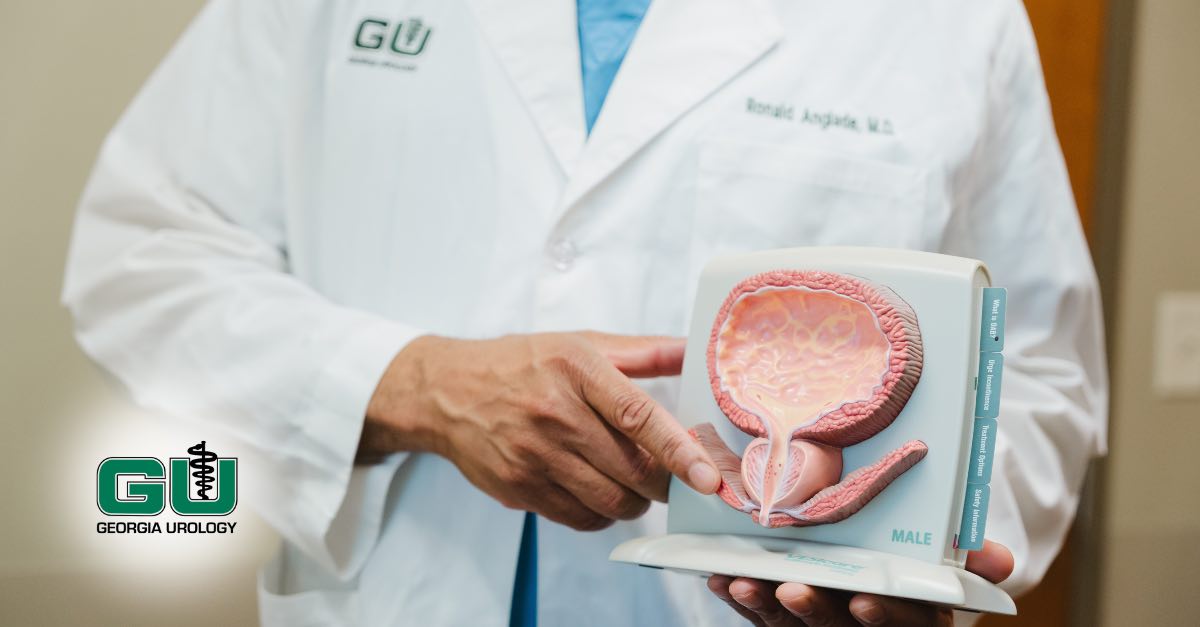
An overactive bladder is a problem for many people today, but fortunately there are treatment solutions available. It is common for people to ignore the symptoms because they don’t actually realize that it is a significant medical problem. Learn more about what causes an overactive bladder how it can be treated below.
The Symptoms
People who suffer from overactive bladder often have a sudden need to urinate. This urge is very hard to control and may lead to urinary urge incontinence (leakage) at the most inopportune times. Another sign is frequent urination, which is usually considered to be eight times or more in a 24-hour period. Many people awaken two or more times during the night to urinate.
The Tests for Overactive Bladder
There are several types of tests to determine if you have this or not. For some people, the bladder doesn’t fully empty when they urinate. A doctor may perform an ultrasound of the bladder (a post-void residual volume test) or a catheter test to see how much urine is left in the bladder post-void. Another test involves a uroflowmeter, which requires the patient to urinate into a device that monitors the volume and speed of the flow. Another test is the cystometry test, which checks the pressure level in the bladder as the bladder is filled. In some cases, a simple urinalysis is performed before any other test to determine the conditions that may lead to this medical condition.
Treatment Options
Seeking treatment is essential because it significantly improves your quality of life. Your doctor may prescribe medication that helps control the symptoms of overactive bladder. Beyond medication, bladder training and pelvic floor exercises can also be extremely useful in relieving symptoms of overactive bladder. Certain lifestyle changes can also bring a great deal of relief. For example, patients can reduce the amount of liquid they drink just prior to bedtime as well as reduce the amount of caffeine they drink since caffeine is a diuretic substance.
By: Michael Kemper, M.D. Erectile dysfunction, or ED, places a significant physical and psychological burden on a man and their partner. Because it is so prevalent and disruptive, there are many options for treatment at every stage of ED. Due to their effectiveness and a great deal of marketing over the past few decades, ED medications […]
Georgia Urology proudly welcomes Dr. Akash Kapadia, a board-certified urologist and renowned male fertility and sexual health expert, to its best-in-class team of urologists. Dr. Kapadia will practice out of the Midtown and Roswell locations. He joins a roster of more than 50 board-certified urologists, including fellowship trained urologists in oncology, robotic surgery, reconstructive urology, […]
Dr. Scott Miller and Dr. Martin Sanda led the first ever Prostate Health Education Seminar on Sunday, June 21 at Turner Field. They discussed the importance of early prostate cancer detection, the use of the PSA test, and advances in both diagnostics and treatment. Nearly 100 people attended this extremely informative pregame event. Dr. Miller […]