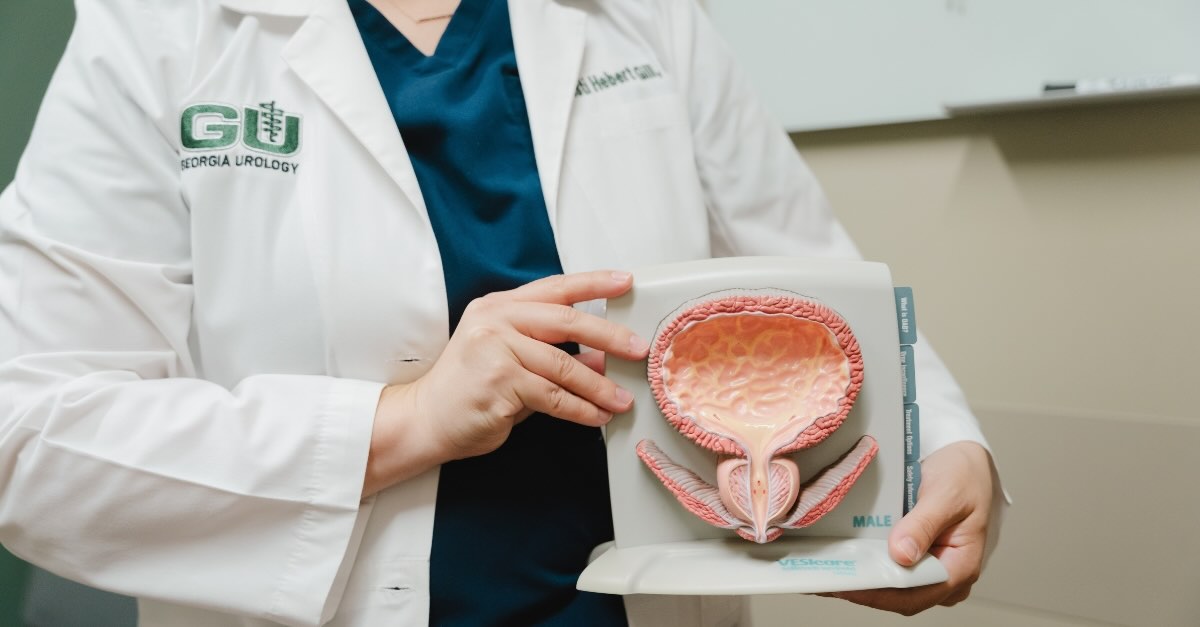
Urinary retention is a condition in which the bladder does not empty completely, or at all, even when it feels full. This can occur suddenly or develop gradually over time. Though it can affect both men and women, urinary retention is more common in men, particularly as they age.
While it may seem like an inconvenience, urinary retention is a sign that something in the urinary system isn’t functioning and can require emergency attention.
What Causes Urinary Retention?
Urinary retention can result from several different factors, including:
Obstruction – A blockage somewhere along the urinary tract can prevent urine from flowing freely. Common culprits include a severely enlarged prostate (benign prostatic hyperplasia or BPH) in men, urethral stricture (narrowing of the urethra), urinary stones, or pelvic organ prolapse in women.
Nerve and Muscle Problems – Proper bladder function relies on communication between the brain, spinal cord, and pelvic nerves. If this messaging system fails, the bladder may not receive the signal to contract and release urine. Possible causes include spinal cord injury, multiple sclerosis, diabetes-related nerve damage, and complications from surgery or childbirth.
Medication Side Effects – Certain classes of medications can interfere with bladder function, either by relaxing the bladder muscle excessively or by constricting the bladder outlet. If urinary symptoms begin after starting a new medication, it’s worth discussing this with your healthcare provider.
Infections and Inflammation – Severe urinary tract infections (UTIs) can cause swelling that temporarily blocks the flow of urine. In some cases, inflammation of the bladder or urethra may also lead to retention.
Why It’s a Problem
Urinary retention can be dangerous if left untreated. When the bladder becomes overly full, it can stretch and weaken, leading to long-term problems with bladder function. Since the urinary system is responsible for flushing toxins from the body and regulating fluid balance, retention can cause serious health issues.
Risks and complications include:
Pain and pressure in the lower abdomen
Recurrent UTIs
Bladder damage
Kidney damage
In acute cases, urinary retention is a medical emergency. If you’re unable to urinate at all and feel increasing pain or pressure in your lower abdomen, seek care immediately.
How Is Urinary Retention Diagnosed?
A urologist will take a detailed history and perform a physical exam to evaluate symptoms. Common diagnostic tools include:
Ultrasound to check for retained urine
Urinalysis to check for infection or blood in the urine
Post-void residual (PVR) with a non-invasive bladder scan to measure how much urine remains after voiding
Cystoscopy to look directly inside the bladder and urethra
Further testing may be necessary to assess the prostate, pelvic floor muscles, or neurological function, depending on the underlying cause.
What Can Be Done About It?
Treatment for urinary retention depends on whether it’s acute or chronic, as well as the underlying cause.
For acute urinary retention, immediate bladder drainage is needed using a catheter to relieve discomfort and prevent complications.
For chronic urinary retention, options may include:
Behavioral strategies, such as timed voiding or double voiding (trying to urinate again shortly after the first attempt).
Pelvic floor therapy, especially for women or individuals with muscle coordination issues.
Adjusting medications if side effects are contributing to the problem.
Medications to relax the bladder or improve flow.
Urethral dilation or surgical interventions may be recommended when other options don’t resolve the issue.
Don’t Wait to Get Relief
Urinary retention can be frustrating, but it’s also treatable. If you’re noticing symptoms like frequent urination with small volume, straining to start your stream, weak flow, or lingering pressure after using the bathroom, don’t wait.
The specialists at Georgia Urology have extensive experience in diagnosing and treating urinary retention with compassion, skill, and the latest technology. Whether your symptoms are new or something you’ve been managing for years, our team can help you identify the root of the issue and develop a treatment plan that works for you.
Men with compromised sexual function or who reach middle age and want to optimize their bodies may have heard of men’s clinics offering P-shots, also known as Priapus shots. These are shots of platelet-rich plasma or PRP harvested from the man’s own body and injected back into the penis. Proponents of P-shots name many possible […]
The techniques and technologies surrounding penile implants have improved dramatically over the past decade. Today, implants last longer and offer greater function than ever before. To that end, over 95% of patients are satisfied with sexual intercourse or sexual activity, and 97% of patients recommend a penile implant to those considering it. Recovery from penile […]
Dr. Barry Zisholtz took one look at his patient and recognized the problem: an ischemic priapism. Roderick, a retiree in his late 60s, was in intense pain due to a prolonged erection caused by constant arterial blood flow to the penis. The patient explained he had sought help at a men’s clinic after several years […]