Can a Tomato a Day Keep BPH Away?
What we eat impacts every physiological process and anatomical structure, and the prostate is no exception. Diet may influence prostate health by affecting inflammation, oxidative stress, metabolism, and cardiovascular health.
Lycopene has been on the research radar for quite some time, and new studies are helping to explain how it actually works inside the body. From reducing oxidative stress and inflammation to modulating hormone activity, lycopene has been studied for potential prostate health benefits, though evidence that it prevents or treats benign prostatic hyperplasia (BPH) remains limited.
Curious about the mechanisms at play and why the prostate seems to benefit so much? This is a fun one! Let’s explore.
Lycopene Bioavailability
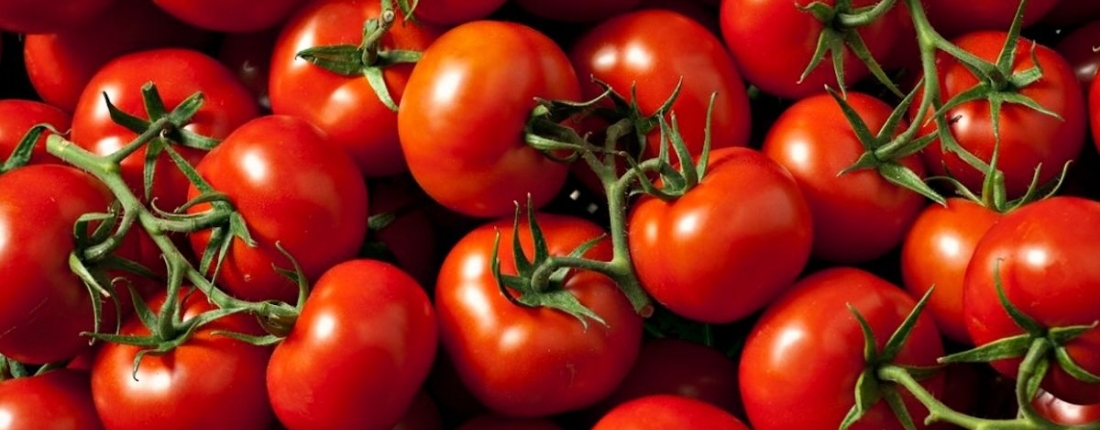
Lycopene is part of a family of natural pigments called carotenoids – the same group that gives carrots their orange hue through beta-carotene and sweet potatoes their golden color through alpha-carotene. Lycopene, however, is the red standout, and it’s what turns tomatoes, watermelon, guava, and pink grapefruit their signature shades of red and pink.
Carotenoids are fat-soluble compounds, meaning your body absorbs them best when eaten with a source of healthy fat, like olive oil or avocado. But not all carotenoids behave the same once they enter the body. Some, like beta-carotene, can be converted into vitamin A. Lycopene can’t – it remains in its original form. It exerts its benefits directly, mainly as an antioxidant and anti-inflammatory agent.
Lycopene exists in two main molecular forms called trans and cis. Once consumed, lycopene is released from plant cell walls during digestion and absorbed in the small intestine. The trans form is what’s found naturally in raw tomatoes; it’s more stable on the vine, but less available for absorption. The cis form, on the other hand, is more readily absorbed by the body, and it’s created when lycopene is heated during cooking or food processing.¹
That means tomato sauce, paste, and soup actually deliver more usable lycopene than raw tomatoes. In fact, studies show that heating tomatoes and consuming them with fats (such as olive oil) can significantly increase the amount of lycopene your body absorbs. Lycopene is fat-soluble and travels with dietary lipids through the intestinal lining.²
But hold your horses on the store-bought spaghetti sauce – it might contain excess sugar, sodium, and preservatives that can have the opposite healthful effect you’re looking for. To get the full effect without the “junk food” part, a better alternative is making your own tomato sauce or soup at home to get all the bioavailable lycopene without the additives.
Whole-food sources are preferred over supplements, as tomatoes and other lycopene-rich foods contain additional carotenoids, vitamins, and polyphenols that work together to support antioxidant defenses and prostate health. Moderation is also in your favor; excessive consumption of tomato-based products can cause digestive discomfort, induce reflux, kidney issues from high potassium, or lycopenodermia, a harmless but alarming orange skin tint from extremely high lycopene intake.³
Effect on Prostate Health
One of the primary roles of lycopene is as an antioxidant, which neutralizes harmful molecules called reactive oxygen species (ROS) that can cause cellular damage. This oxidative stress has been linked to the development of benign prostatic hyperplasia (BPH) and even prostate cancer, so reducing it can help protect prostate tissue.³
Lycopene also influences cell growth and hormone signaling (though most evidence comes from laboratory and observational studies); research suggests it can modulate androgen signaling (a driver of prostate enlargement) and regulate insulin-like growth factor 1 (IGF-1), a protein linked to cellular proliferation in the prostate.³ By influencing these pathways, lycopene may help slow abnormal prostate growth, reduce inflammation, and support overall prostate function over time. It’s important to note that researchers continue to investigate whether lycopene influences prostate growth.
Several clinical studies have specifically examined lycopene in men with BPH. Over a period of six months, men taking a daily 15 mg dose of lycopene experienced a reduction in prostate-specific antigen (PSA) levels and no further prostate enlargement; meanwhile, the placebo group showed continued growth.⁴ Participants also reported improved urinary symptoms, suggesting that lycopene may offer both preventive and mild therapeutic benefits for BPH. Other studies confirm similar effects, including reduced PSA levels and fewer lower urinary tract symptoms (LUTS) after consuming tomato-based products such as paste or supplements.⁵ Larger trials are needed as evidence remains limited.
From what researchers have observed, lycopene works synergistically with other carotenoids and nutrients found in whole, unprocessed foods to enhance antioxidant activity, reduce inflammation, and support overall cellular health – another reason homemade sauces can be more effective than isolated supplements alone. Together, they provide a spectrum of naturally occurring compounds that complement lycopene’s actions.⁶
Get Proactive
Adding lycopene-rich foods to your diet is a tasty and science-backed adjunct treatment strategy, and it’s an interesting piece of the BPH puzzle. Regular check-ins with a urologist are the other piece, whether you’re looking to reduce the risk of benign prostatic hyperplasia or manage existing symptoms. Early conversations can help identify risk factors, guide appropriate screenings, and clarify the best combination of dietary and medical interventions for your situation.
Lifestyle habits beyond nutrition are also important. Maintaining a healthy weight, exercising regularly, and moderating alcohol and caffeine intake can help reduce the burden on the urinary system and improve overall prostate health. Balancing diet, lifestyle, and professional guidance is the most reliable path to management.
Men should discuss screening for BPH with their physician based on age, risk factors, and personal preferences. Whether you’re curious about BPH or already navigating its symptoms, your urologist can provide individualized advice. They can help you interpret screening results, evaluate potential dietary or supplement strategies, and discuss medical interventions if you’re experiencing urologic dysfunction.
For more than 50 years, Georgia Urology has been helping patients take charge of their urologic health with expert, personalized care. Our team of specialists can guide you through screenings, lifestyle recommendations, and medical interventions tailored to your needs. With over 80 providers across the Southeast and convenient clinic locations, scheduling a consultation with Georgia Urology is an easy first step toward proactive prostate health.
So, enjoy your meals, embrace whole foods, and keep those conversations with your urologist going.
References:
- Ross, A. B., Vuong, L. T., Ruckle, J., Synal, H. A., Schulze-König, T., Wertz, K., Rümbeli, R., Liberman, R. G., Skipper, P. L., Tannenbaum, S. R., Bourgeois, A., Guy, P. A., Enslen, M., Nielsen, I. L. F., Kochhar, S., Richelle, M., Fay, L. B., & Williamson, G. (2011). Lycopene bioavailability and metabolism in humans: an accelerator mass spectrometry study. The American Journal of Clinical Nutrition, 93(6), 1263–1273. https://doi.org/10.3945/ajcn.110.008375.
- Arballo, J., Amengual, J., & Erdman, J. W., Jr (2021). Lycopene: A Critical Review of Digestion, Absorption, Metabolism, and Excretion. Antioxidants (Basel, Switzerland), 10(3), 342. https://doi.org/10.3390/antiox10030342.
- Csikós, E., Horváth, A., Ács, K., Papp, N., Balázs, V. L., Dolenc, M. S., Kenda, M., Kočevar Glavač, N., Nagy, M., Protti, M., Mercolini, L., Horváth, G., & Farkas, Á. (2021). Treatment of Benign Prostatic Hyperplasia by Natural Drugs. Molecules (Basel, Switzerland), 26(23), 7141. https://doi.org/10.3390/molecules26237141.
- Schwarz, S., Obermüller-Jevic, U. C., Hellmis, E., Koch, W., Jacobi, G., & Biesalski, H. K. (2008). Lycopene inhibits disease progression in patients with benign prostate hyperplasia. The Journal of Nutrition, 138(1), 49–53. https://doi.org/10.1093/jn/138.1.49.
- Csikós, E., Horváth, A., Ács, K., Papp, N., Balázs, V. L., Dolenc, M. S., Kenda, M., Kočevar Glavač, N., Nagy, M., Protti, M., Mercolini, L., Horváth, G., & Farkas, Á. (2021). Treatment of Benign Prostatic Hyperplasia by Natural Drugs. Molecules (Basel, Switzerland), 26(23), 7141. https://doi.org/10.3390/molecules26237141.
- Arballo, J., Amengual, J., & Erdman, J. W., Jr (2021). Lycopene: A Critical Review of Digestion, Absorption, Metabolism, and Excretion. Antioxidants (Basel, Switzerland), 10(3), 342. https://doi.org/10.3390/antiox10030342.