Cystoscopy

Understanding your bladder examination

Cystoscopy is a medical procedure that allows a urologist to look directly inside the bladder using a specialized instrument called a cystoscope. This thin scope is inserted through the urethra and guided into the bladder, giving the physician a clear view of the lower urinary tract.

The procedure is commonly used to examine the bladder and surrounding structures when symptoms or concerns arise. Because the cystoscope contains a light and a camera, it enables the doctor to identify abnormalities, irritation, or other potential issues that may not be visible through other diagnostic methods.

In many cases, cystoscopy is performed as a straightforward diagnostic test. By allowing the urologist to inspect the bladder lining in real time, it can help determine the cause of urinary symptoms and guide the next steps in care.

When is Cystoscopy Recommended?

A cystoscopy is typically recommended when a urologist needs more detailed information about what’s happening inside the bladder or urethra. While many urinary symptoms can be evaluated with imaging or lab tests, sometimes the most effective way to identify the source of a problem is to look directly inside the bladder.

Most commonly, cystoscopy is performed to investigate hematuria (blood in urine), recurrent UTIs, or lower urinary tract symptoms (LUTS). Key indications also include detecting tumors, stones, strictures, or congenital abnormalities. In these cases, examining the lower urinary tract can help the doctor better understand what may be contributing to ongoing issues.

Ultimately, the goal of cystoscopy is to help the care team identify the cause of symptoms and determine the most appropriate next step in treatment.

What to Expect Before, During, and After

Duration

~5 to 10 minutes for the procedure itself.

Anesthesia

Usually local (numbing gel); occasionally sedation.

Pain Level

Mild discomfort/pressure; similar to a catheter.

Recovery

Immediate return to activities; 24–48 hours of mild “stinging.”

A cystoscopy is performed using a thin, specialized instrument called a cystoscope that allows the urologist to see inside the bladder. The scope is inserted through the urethra and carefully guided into the bladder using a flexible tube designed to move easily through the natural curves of the urinary tract. Depending on the situation, the procedure may be done while the patient is awake or under anesthesia, and it can take place in a physician’s office, a surgery center, or a hospital.

Before the procedure, patients are typically prepared with a numbing gel placed in the urethra to help reduce discomfort. In most cases, little preparation is required beforehand, and the procedure itself is relatively quick.

The brief moment when the scope enters the bladder is usually the most uncomfortable part. Once inside, sterile water may be introduced to fill the bladder slightly so the doctor can clearly examine the bladder lining. Patients often notice a temporary feeling of fullness during this step.

After the procedure, it’s common to experience mild and temporary discomfort. Some patients notice a burning sensation when urinating, a small amount of blood in the urine, or increased urgency and frequency that tends to resolve within a day or two. Your urologist will recommend drinking plenty of fluids, especially water, to help flush the bladder and support recovery.

Fortunately, most patients tolerate cystoscopy well and are able to return to normal activities quickly. Your urologist will discuss the findings and treatment options with you once the procedure is complete.

Special Note on Bladder Cancer

At some point in your research on cystoscopy, you may have seen that it is used for detecting bladder cancer. And you’re right, it is. But bladder cancer detection using the cystoscopy procedure also incorporates adjunct techniques, such as using Blue Light Cystoscopy with Cysview. Georgia Urology was one of the first in the nation to implement this technology, and it has since become highly recommended for bladder cancer detection and surveillance. Learn more about how Georgia Urology is leading the way in providing better patient outcomes for detecting urologic cancers.

FAQs About Cystoscopy

How long does a cystoscopy usually take?

In many office settings, a cystoscopy takes only about five minutes to complete. The entire visit may be slightly longer to allow time for preparation and discussion with the urologist.

Is a cystoscopy very painful?

Most patients do not describe cystoscopy as very painful, reporting mild discomfort similar to having a catheter placed.

How much rest is needed after a cystoscopy?

Most people can return to normal daily activities the same day or shortly after the procedure, and it requires little to no downtime.

What happens if you get an erection during a cystoscopy?

Getting an erection during a cystoscopy is a normal, involuntary physiological response, not a sexual one, and doctors are accustomed to it. While rare, it can make the procedure technically difficult, potentially causing delays, increased bleeding, or requiring the doctor to pause until the erection subsides.

How do you stay calm during a cystoscopy?

Knowing that the procedure is quick and routine can ease any anxiety. Focus on steady breathing and communicate with the care team before, during, and after the procedure so that we can provide as much comfort as possible.

Do you get cystoscopy results straight away?

Your urologist can discuss the findings immediately after the procedure in most cases. If additional tests or biopsies are needed, those results may take longer.

What is the most common complication after cystoscopy?

The most common effects after cystoscopy are mild and temporary, such as slight discomfort when urinating or a small amount of blood in the urine. While serious issues are rare, urinary tract infections (UTIs) are the most common infection-related complication.

When is it not appropriate to perform a cystoscopy?

A cystoscopy may be postponed if a patient has an active infection or another condition that could increase the risk of complications. Your urologist will evaluate your situation to determine the safest timing.

Are there any restrictions on what to eat before or after a cystoscopy?

Most patients can continue their normal diet, unless the provider gives specific instructions. After the procedure, drinking plenty of water is encouraged for the next couple of days.


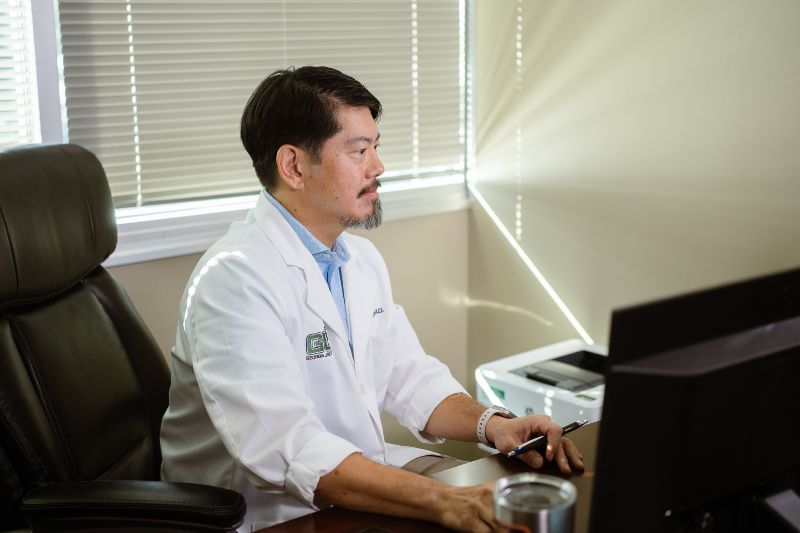
Ronald Anglade, MD

This page was reviewed by Ronald Anglade, MD

Dr. Anglade is a native of New York. He received his undergraduate degree from Brown University, Providence, RI. He then returned to New York and received his medical degree from the State University of New York Health Science Center at Brooklyn (Downstate Medical Center).

Schedule an Appointment