What You Should Know About Benign Prostatic Hyperplasia
By Dr. Lewis S. Kriteman
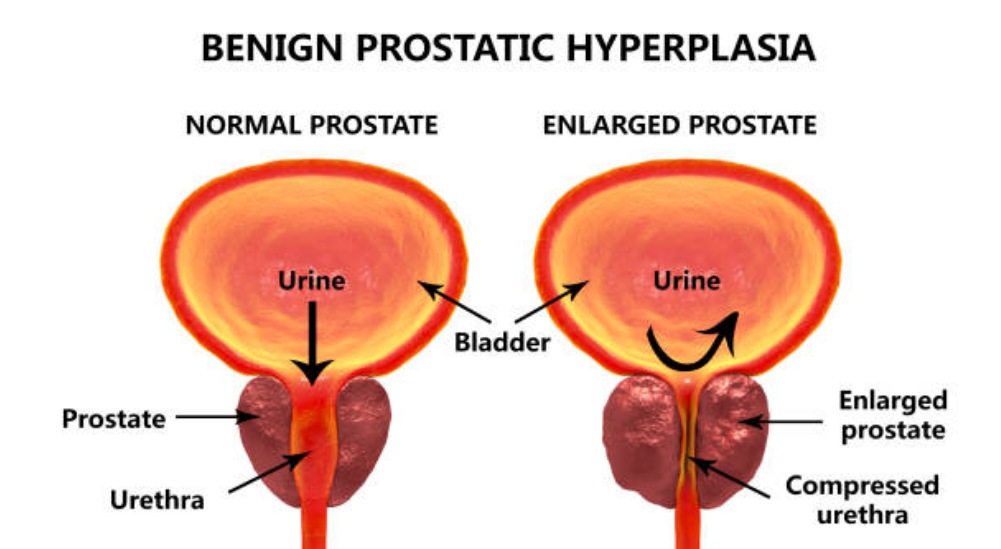
Benign Prostatic Hyperplasia (BPH) is the noncancerous growth of the prostate gland, which occurs normally in men as they age. The prostate gland surrounds the urethra at the base of the bladder and compresses the urethra, which reduces the flow of urine emptying from the bladder. This often causes voiding symptoms and affects more than half the male population after the age of 50 in the United States.
Benign Prostatic Hyperplasia Symptoms:
These are usually differentiated into obstructive symptoms and storage symptoms:
- Obstructive Symptoms:
- Trouble starting (hesitancy)
- Slow stream
- Straining to go
- Stopping and starting numerous times
- Dribbling at the end
- Storage Symptoms (often referred to as “bladder symptoms”):
- Sudden urges to go
- Frequent voiding (usually more than 8 times per day)
- Incomplete emptying
- Frequent voiding at night (also called nocturia)
BPH symptoms can significantly affect a man’s quality of life (and at times his partner’s as well!) Make sure to call the professionals at Georgia Urology if you notice any of these symptoms happening to you or your loved one.
Diagnosis of Benign Prostatic Hyperplasia:
Typically, your doctor will diagnose BPH based mainly on history. Questionnaires can be very helpful in assessing symptoms and the most common one is called the International Prostate Symptom Score (IPSS). Examining the prostate (called a digital rectal examination or DRE) also is important in diagnosis but may not correlate with a patient’s symptoms. Your doctor may also draw a blood test called a PSA (Prostate Specific Antigen) which is used in conjunction with the DRE to diagnose prostate cancer. PSA is NOT a test for BPH. Additional tests to assess BPH may also include:
- Uroflow (voiding in a special urinal to assess the strength of the stream)
- Bladder Scan (an ultrasound evaluation of the remaining urine in the bladder after voiding)
- Cystoscopy (using a tiny fiber-optic scope to look into the urethra and inner part of the prostate and bladder)
- Prostate ultrasound (to assess the overall size of the gland)
Treatments:
An enlarged prostate on examination does not necessarily require treatment. If however a patient begins to have bothersome symptoms there are numerous options for treatment including:
- Behavioral changes (e.g. better fluid management especially at night)
- Phytotherapies (e.g. Saw Palmetto)
- Medications (e.g. Flomax, Proscar)
- Minimally invasive treatments (e.g. Urolift and Rezūm)
- Surgical procedures (e.g. Laser procedures such as Greenlight vaporization, TURP and Aquablation)
Complications of untreated BPH can include recurrent bladder infections, hematuria (blood in the urine), kidney damage, and kidney or bladder stones. If you are experiencing any bothersome symptoms you should discuss this with your urologist who can work with you to devise the best treatment plan to improve your condition.
There are physicians at Georgia Urology who specialize in all the treatment options available for BPH including the newest therapies. Make an appointment online today and let us get you on the road to improvement!