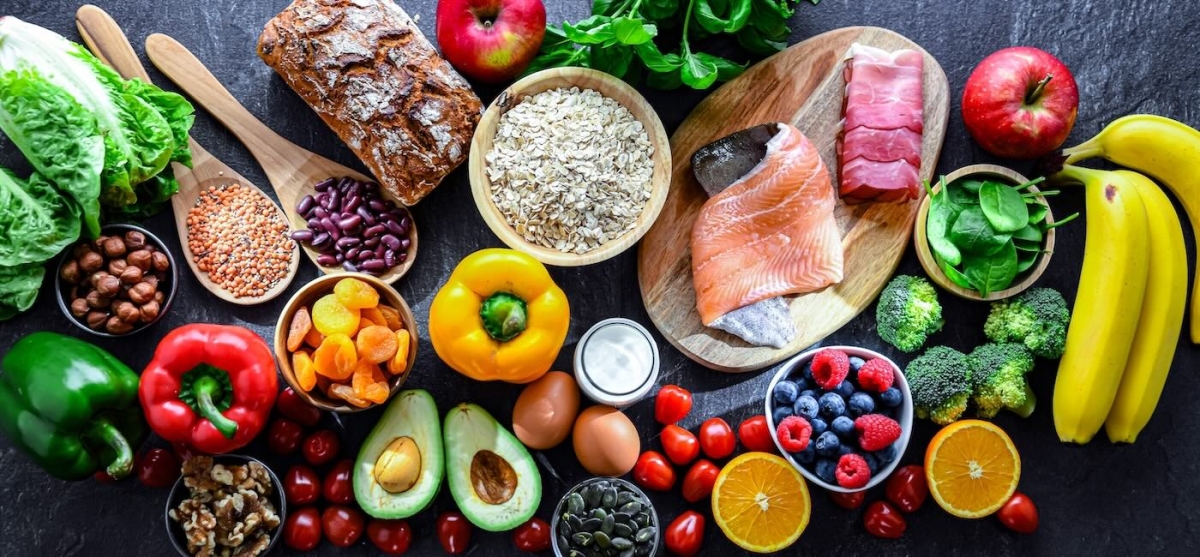
Diet and Diagnoses: How Does the Food You Eat Affect Your Risk for Prostate Cancer?
There are expected to be about 230,000 new cases of prostate cancer diagnosed this year in the United States, and it seems like there are almost as many suggestions out there on how to prevent the disease. It’s hard to sift through all the information about the latest foods, fads, and supplements touted to have an impact on prostate cancer.
There are, however, a number of reliable recommendations you can follow that can help reduce your risk for prostate cancer.
Stick to whole grains whenever possible in your diet. Limit your consumption of processed and red meat, and eat at least 2.5 cups of vegetables and fruits daily. Maintain a healthy weight, and do some exercise on a regular basis.
Avoid refined carbs such as white bread, rice and pasta, sugary beverages, and just about anything that comes in a bag, like pretzels, chips, and crackers. Also, instant oatmeal, pancake mixes, and many desserts are made with refined grains and usually contain added sugar. Check out a full list here.
Here are some other foods that may help reduce your risk of prostate cancer:
1. Tomatoes. The antioxidant lycopene may reduce tumor size and even help prevent the onset of the disease.
2. Broccoli and cauliflower have chemicals in them that have been shown to battle cancer cells.
3. Garlic. It’s good for a plethora of ailments, and is able to block the formation of some cancer-causing substances, according to the National Cancer Institute.
4. Walnuts. Researchers are now saying that components of walnuts are beneficial against prostate cancer, despite their high fat content, according to the Journal of American Food.
Talk to your Georgia Urology doctor about what might work to reduce your risk for prostate cancer. Early detection is the best way to treat prostate cancer, so we encourage all men to speak with their doctor about regular prostate cancer screening. The physicians at Georgia Urology can guide you in the right direction. If you have any questions regarding our services, contact us here.