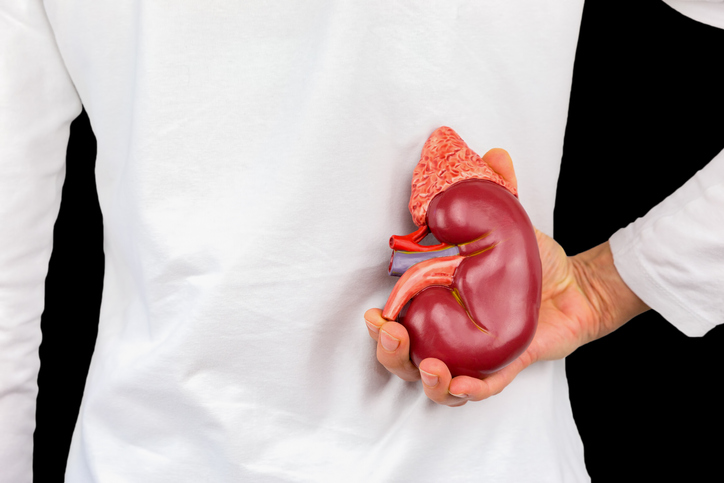
Major Kidney Disease Risk Factors: Diabetes and High Blood Pressure
Kidney disease makes it impossible for your kidneys to function properly, which can lead to a host of serious medical problems. In the worst cases, having kidney disease can even put your life in danger. Thus, it is important to minimize your risk of kidney disease as much as possible. Below is a discussion of two serious risk factors for this condition: diabetes and high blood pressure.
Kidney Disease and Diabetes
Two different types of diabetes exist: Type I and Type II. Type I Diabetes occurs when your body doesn’t produce enough insulin to regulate the sugar in your blood. In Type II Diabetes, an adequate amount of insulin is produced, but the body doesn’t use it properly.
Both of these types of diabetes can damage your kidneys over time. In either case, the small blood vessels in your kidneys can be damaged by the condition, which inhibits the kidneys’ ability to clean the blood. Diabetes may also damage the nerves near your bladder, causing you to hold urine longer than you should. This will cause further injury to the kidneys and increase your risk of infection.
Kidney Disease and High Blood Pressure
High blood pressure, which may also be referred to as “hypertension,” can damage the blood vessels in the kidneys as well. Eventually, the kidneys become unable to filter your blood properly, leading to water retention, increased urinary frequency and other symptoms of kidney disease. If the disease continues to progress, dialysis or kidney transplantation will be required.
What Can You Do?
If you know that you already have either diabetes or high blood pressure, or if you suspect that you may have one of these conditions, you can reduce the chances of kidney disease by being proactive. For example, if you suspect that you are already suffering from diabetes or hypertension, schedule an appointment with your doctor for evaluation and treatment.
Even if you are not already dealing with high blood pressure or diabetes, you should still take steps to reduce your risk of ever developing these conditions. Improve your overall health and lower the chances of medical problems by eating a healthy, balanced diet, exercising regularly and visiting your doctor whenever health-related concerns arise.
Contact Georgia Urology today to schedule an appointment and get all your questions about kidney health answered.