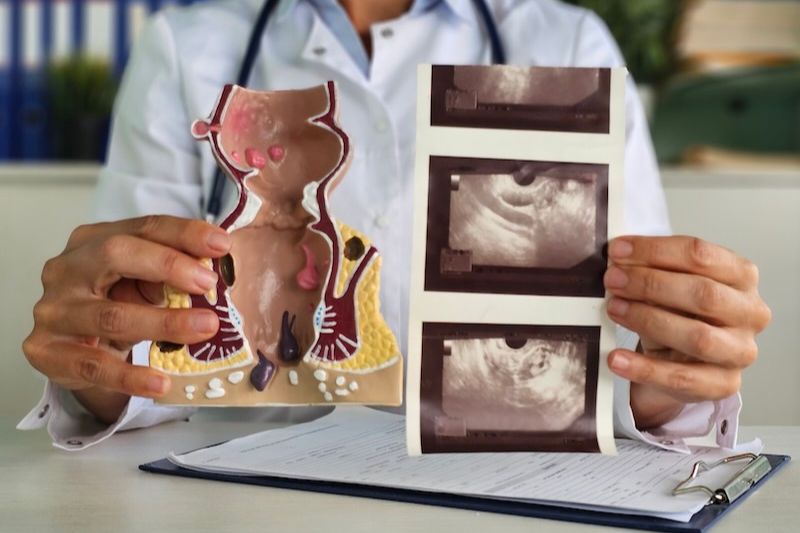
With normal results, patients just need to keep up with regular check-ups and screenings. If cancer is confirmed, the next step will be a discussion with your urologist about potential therapies, including active surveillance, surgery, radiation, NanoKnife, and other therapies or combinations of therapies.
TRUS is often just one step in a larger diagnostic pathway, not the final answer. At Georgia Urology, we treat the full spectrum of men’s urologic conditions. Whether you’re dealing with prostate issues, erectile dysfunction, urinary incontinence, or any other urologic condition, our experts are here to provide the highest quality of care. We stay abreast of the research coming down the pipeline so our patients are in the know about every option available to them.
Contact our team at Georgia Urology to schedule an appointment. Whatever you do, don’t let something treatable now become a bigger problem down the road.
FAQs
Is TRUS painful?
Usually not. Most patients report pressure that is uncomfortable. Biopsy adds brief, sharp sensations.
Can TRUS diagnose prostate cancer by itself?
No. It helps guide a biopsy, but cannot confirm the presence of cancer.
Why not just use MRI instead?
MRI is better at detecting suspicious areas, but TRUS is more accessible and is still widely used for performing real-time biopsies.
Why are antibiotics needed?
For infection prevention, because the probe and needle pass near bacteria in the rectum.
How many samples are taken in a biopsy?
Typically about 12, sometimes more, depending on prostate size or suspicion.
Will it affect sexual function?
TRUS alone: no. Biopsy: temporary erectile dysfunction can occur in some patients and usually resolves within one to three months, though there are instances in which it may take up to six months to fully return to baseline.1
Resources:
-
Jones, S., & Carter, K. R. (2025, December 9). Transrectal Ultrasonography and Image-Guided Biopsies of the Prostate. PubMed; StatPearls Publishing. https://www.ncbi.nlm.nih.gov/books/NBK570569/.