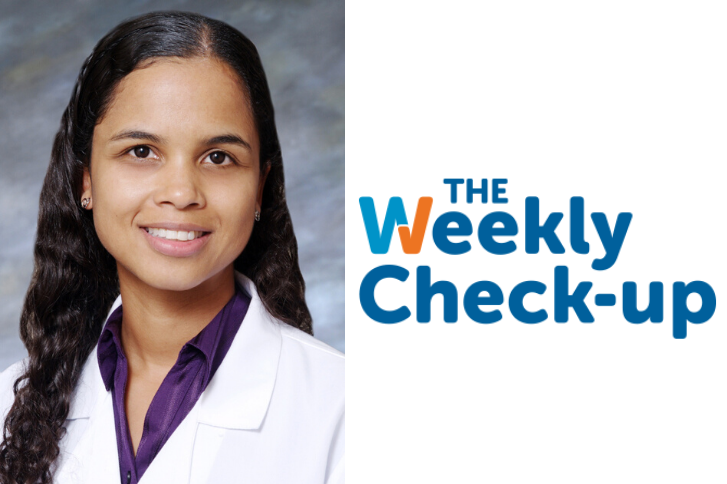
On Sunday, April 19th, Georgia Urology’s Dr. Lambda Msezane was featured on “The Weekly Check-Up” on News/Talk WSB Radio. Dr. Msezane and her husband, Dr. Joshua Lovelock with the CardioVascular Group, spoke with the host, Dr. Bruce Feinberg, on how the coronavirus (COVID-19) has impacted them personally, their individual practices, approach to patient care, and patients.
Dr. Joshua Lovelock practices with CardioVascular Group at their Lawrenceville, Snellville, and Gainesville locations. His interests include treating patients with irregular heart rhythms including atrial fibrillation, palpitations, and/or fainting spells.
During the midst of the COVID-19 pandemic, the healthcare industry remains busy. In order to care for patients in a safe and effective way, practices such as Georgia Urology and CardioVascular Group, have had to adjust and dedicate a majority of their practice to using telemedicine.
Although these two doctors admitted to spending a lot more time with virtual appointments in just a matter of four weeks, they urge patients not to fear consultation or possible in-person visits with their doctors and to continue to prioritize their health and well-being. During the show, Dr. Msezane discussed Georgia Urology’s extensive efforts in creating an algorithm for pediatric urology that outlines the extremity of conditions and whether a patient can be seen through telemedicine or should be seen in-person. This algorithm on “grid” can be found on Georgia Urology’s website or by visiting the link here.
Additionally, Dr. Msezane and Dr. Lovelock discussed the positive impacts telemedicine has made on improving communications between patients and providers. For both of their practices, Dr. Msezane and Dr. Lovelock have found that providers are able to spend more quality time with their patients. As telemedicine as seen such a huge success during the coronavirus pandemic, Dr. Msezane explained that patients have expressed a great interest in continuing telemedicine post-coronavirus.
On the show, Dr. Msezane and Dr. Lovelock not only spoke of COVID-19 from the perspective of healthcare professionals but also as respective parents and how they have had to balance working in the office and working remotely with their children. Through telemedicine appointments with patients or virtual meetings with colleagues, there is a communal sense of understanding because this pandemic is such a shared experience. “The Weekly Check-Up” host, Dr. Bruce Feinberg, mentioned that as healthcare professionals, this actually humanizes the doctors than if they were in an office environment.
Although many health conditions can be discussed or even treated using telemedicine, Dr. Msezane and Dr. Lovelock noted the importance of patients understanding that healthcare is not closed during this pandemic and that existing or arising health-related issues should not be left untreated. For urological conditions such as blood in urine, obstructive kidney stones, and cancer, patients should be seen immediately. For cardiac-related conditions such as chest pains, shortness of breath or passing out, patients should also seek immediate care.
Lastly, Dr. Msezane and Dr. Lovelock spoke on the healthcare system once restrictions of social distancing have loosened and the economy begins re-opening, but ensured that both their practices have created a strong foundation of patient care by utilizing telemedicine and are well-equipped for the future.
Did you miss the show and want to hear more from these healthcare professionals? Click the link here.
For more information on Georgia Urology’s telemedicine program or to schedule a telemedicine appointment, click here.
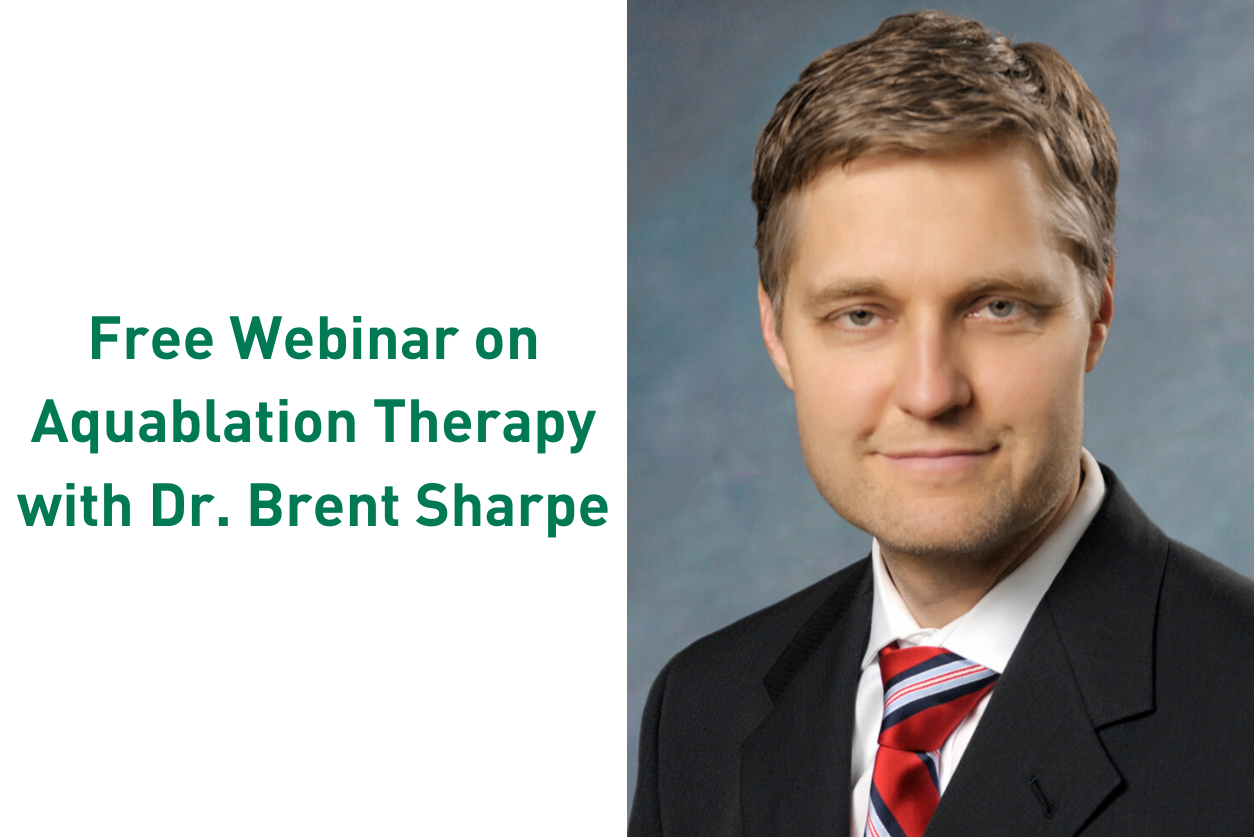
Benign Prostatic Hyperplasia (BPH) is common in men over 50 and can significantly impact your health and quality of life. There are numerous treatment options available, and we understand that choosing a treatment option can be difficult and often forces tradeoffs between side effects, irreversible complications, and relief longevity. The advanced, minimally invasive Aquablation therapy […]
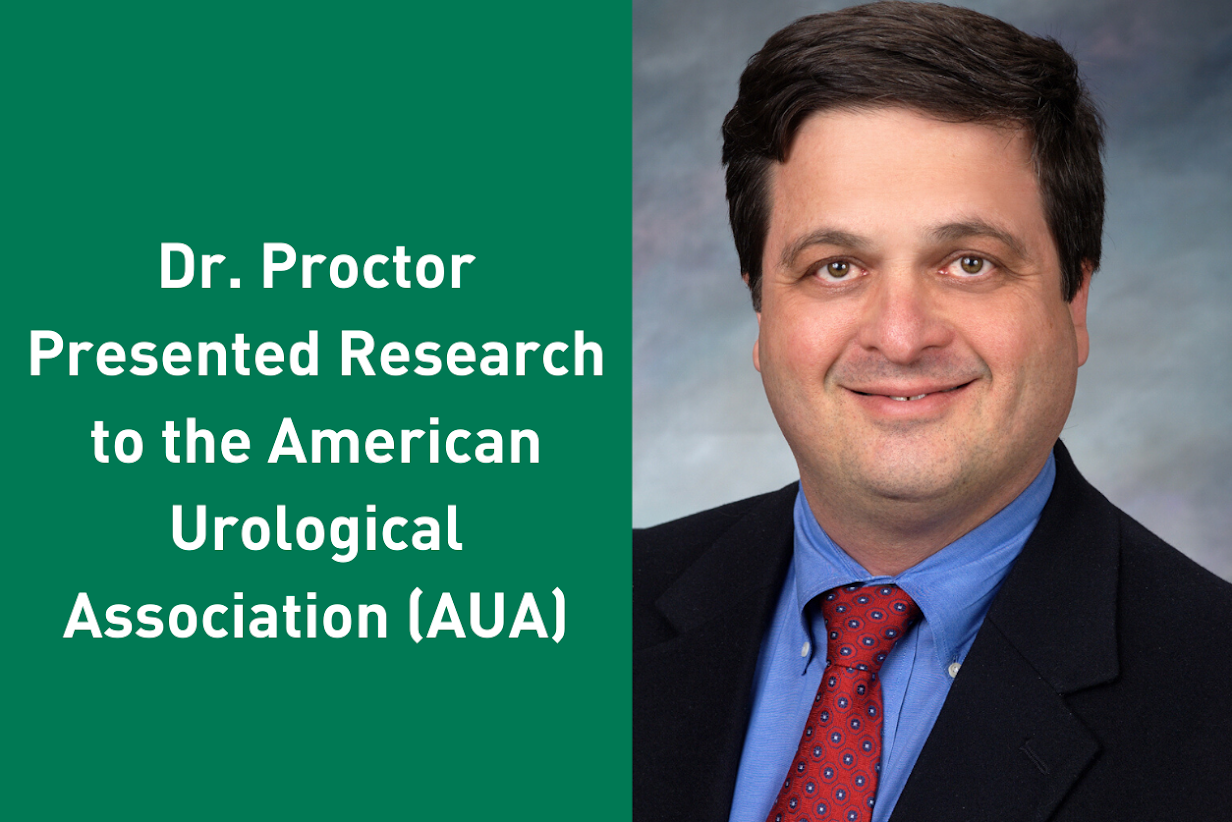
In late May, Dr. Jeffrey G. Proctor gave a presentation to the American Urological Association (AUA) on his research involving an injection protocol to reduce urinary retention following treatment of an overactive bladder (OB). At Georgia Urology, Dr. Proctor specializes in interstitial cystitis, overactive bladder, bladder Botox, and InterStim Therapy. In his recent presentation to […]
Eleven physicians from Georgia Urology — the largest urology practice in the state and the Southeastern United States — were recently honored as Top Doctors in metro Atlanta. Drs. Roosevelt Allen, Carl Capelouto, Mark Haber, Andrew Kirsch, A. Keith Levinson, Scott Miller, Hal Scherz and Barry Ziholtz received the honor from Atlanta magazine in its […]