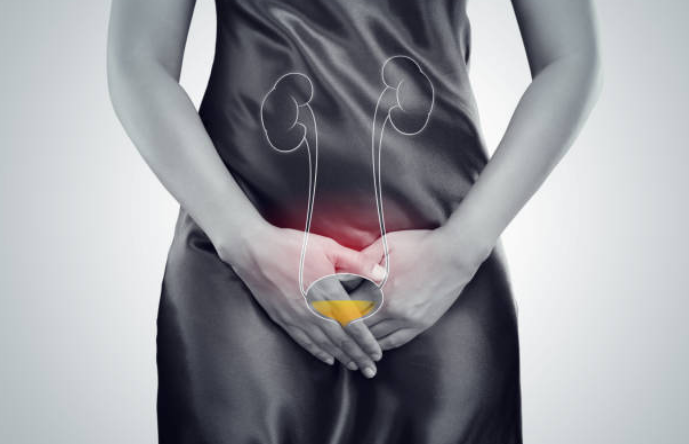
Historically, interstitial cystitis (IC) was considered rare and has been an under-reported and under-recognized condition. IC is more common in women than men. However, more recent studies have shown that IC is more common than originally described. The RAND Interstitial Cystitis Epidemiology (RICE) study found that up to 7.9 million American women have symptoms consistent with IC. This study also showed up to 2.1 million men in the United States had IC and chronic pelvic pain syndrome (CPPS) symptoms.
Learn more about this medical condition below!
Symptoms
Interstitial cystitis is generally thought of as symptoms of urinary frequency, urgency, and bladder or pelvic pain. Symptoms wax and wane and can progress over time, particularly when untreated. Symptoms associated with interstitial cystitis range from mild to severe. Patients may go several years between onset of symptoms and getting a diagnosis of IC. Some may have symptoms for 5 years or longer and see 5-7 physicians prior to being diagnosed with IC. They are often misdiagnosed with recurrent urinary tract infections, even when the urine cultures are negative.
To help distinguish a difference between the two, here are common symptoms of IC:
* Frequent urination (more than 8 voids a day), nocturia (wake up at night)
* Urinary urgency (sense of rushing to the bathroom)
* Pressure, discomfort or pain as the bladder fills
* Feeling the bladder is full even when you recently voided
* Lower abdominal pain
* Bladder spasms
* Pain with or after sexual intercourse
* In women, pain in the pelvis, vagina, urethra
* In men, pain in the penis, testicles, pelvis, painful ejaculation
* Worse symptoms with certain foods, spicy foods, alcohol, coffee, soda’s
Diagnosis
The diagnosis of IC is based primarily on symptoms of urinary frequency, urgency, with discomfort or pain for at least 6 weeks in duration, in the absence of identifiable infection, disease, or other disorders causing the symptoms. The diagnosis can be based on symptoms or by office-based tests. Recognition of IC early in the disease course can translate into earlier treatment and more rapid improvement prior to the development of more severe symptoms.
Treatment
There are several ways to treat IC. Multimodal treatment strategies are fundamental in the management of IC, and may include an IC diet, stress management, physical therapy, and medications. There are also treatments that can be instilled into the bladder that in many situations can more rapidly improve the IC symptoms of pain and urinary urgency.
Dr. Proctor is currently involved as an investigator in a national study for a bladder instillation for IC patients, so you know you can trust the physicians at Georgia Urology if you suspect you might have IC. Contact us to schedule an appointment today.
Dropped, fallen, prolapsed — these are all words used to describe a common condition women experience known as a cystocele. It is scary to think your bladder can fall into the vagina, but it’s common, especially among women who have given birth. Find out more about cystocele and why do bladders fall in the first […]
Pelvic floor prolapse, which may also be referred to as “pelvic organ prolapse,” affects women all over the United States. Below is some basic information about this condition. Defining the Condition Pelvic floor prolapse occurs when one or more of your pelvic organs fall or bulge into the vaginal canal. In the worst cases, these organs […]
By Dr. Shaya Taghechian May is Women’s Health Care Month, which reminds us of the importance of raising awareness regarding women’s health issues. At Georgia Urology, we understand the critical role women play in their families and communities. However, in their efforts to care for others, many women often neglect their own health needs. As […]