Overactive bladder (OAB), also known as urge incontinence, can create awkward and uncomfortable moments. The condition occurs when the bladder spasms and contracts, and the urge to urinate can hit you when you least want or expect it. It can cause anxiety, discomfort, and inconvenience.
OAB can be aggravated by diet, pregnancy, being overweight, diabetes, age, and diuretics, among other factors. Let’s look at some ways to minimize the effects of this condition:
What you eat and drink can directly affect your bladder. If you drink a lot of water, cut down – but not too much. You still need some water intake, otherwise the urine becomes too concentrated and will irritate your bladder. You don’t want to become dehydrated either. Consult your doctor or urologist to figure out the right amount of daily water for you.
Caffeine and alcohol can be problematic, too. Have coffee only in the morning, and limit your consumption of caffeinated or carbonated drinks as much as possible. If you can eliminate those altogether, so much the better! As for alcohol, it can wreak havoc on the neurological signals sent from the brain to the bladder. Best avoided.
Spicy or acidic foods can irritate the bladder lining in the same way caffeine does, so try to avoid them as well.
There are some quick, fairly easy Kegel exercises you can do to strengthen your pelvic muscles and help you control them more effectively.
Carl Capelouto, MD of Georgia Urology, suggests scheduling bathroom breaks before you actually need to go. “Urinate before you have the urge, so you don’t have an accident,” he says. “You can’t leak if your bladder is empty.”
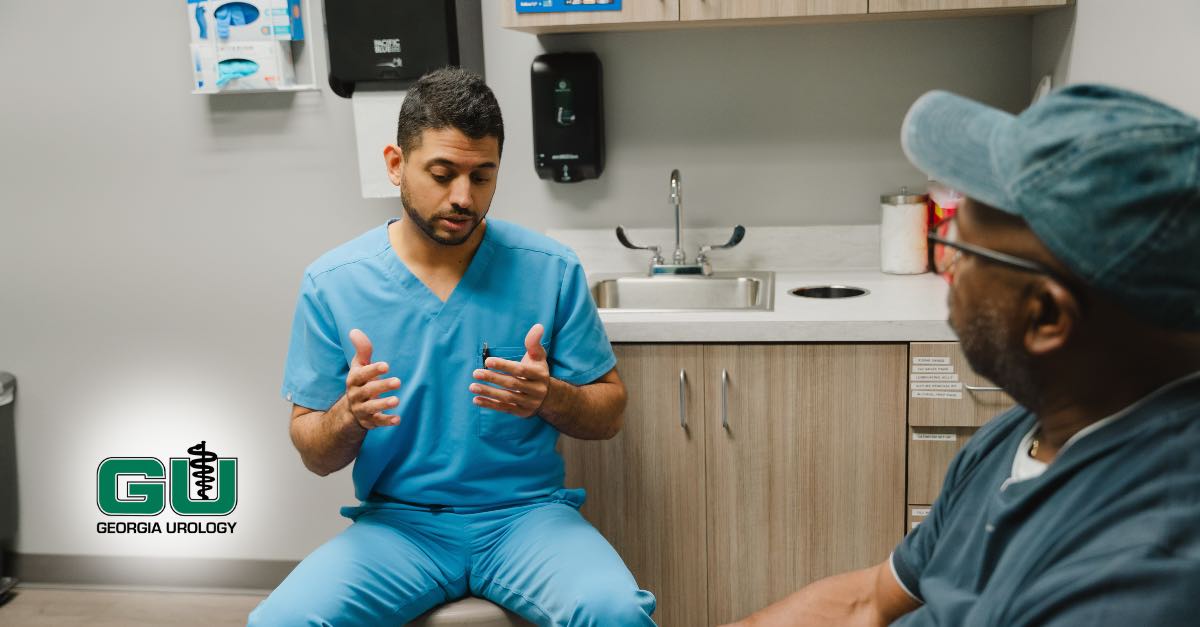
A specialist at Georgia Urology can discuss with you how to treat and manage your condition. Click here to schedule an appointment at one of our convenient Atlanta area locations.
Are you one of the millions of men and women grappling with the daily challenges of an overactive bladder, urinary frequency, or urinary incontinence? These issues can disrupt your life, leading to awkward and frustrating situations. At Georgia Urology, our dedicated team of urologists is equipped with a diverse array of treatments to help you […]
Georgia Urology, the largest practice in Georgia, announced that Dr. Carl Capelouto has been designated as a Center of Excellence for Axonics® — a device that gently stimulates the sacral nerve (sacral neuromodulation), restoring normal communication between the brain and bladder. The designation recognizes Dr. Capelouto’s high level of expertise with Axonics Therapy and his […]