Sudden onset testicular pain can be a medical emergency. There are a number of things that can cause this, but one of the most concerning involves a sudden twisting of the testicle that cuts off blood flow to that area. This problem happens in some kids because the testicle isn’t held in place correctly, allowing it to spin on its stalk. If the testicle twists enough times, it can cut off blood to that area. Left undiagnosed and untreated, this can result in loss of the testicle.
Causes
Torsion of the testicle typically occurs around the time of puberty, in males 10-25 years old, and sometimes happens a few hours after rough physical activity, minor trauma to the area, or even in the middle of the night while sleeping. The pain is usually severe, typically doesn’t go away, and can be associated with nausea or feeling like you’re going to throw up.
Treatment
It’s important to see a doctor emergently for sudden and significant testicular pain because there’s more than one reason this pain can happen. If your doctor suspects a testicular torsion, they may get more tests, like an ultrasound of the testicles. If the testicle is twisted, it can usually be saved if diagnosed and treated within 4-8 hours from onset of pain. Treatment involves surgery to untwist the testicle and secure it to the inside of the scrotum so it can’t move. Generally, if the pain has been going on for more than 12 hours, there is a good chance the twisted testicle can’t be saved and will need to be removed. Your doctor won’t know for sure until they’re doing the surgery. The normal untwisted testicle on the other side is also secured to the inside of the scrotum to prevent it from twisting. If the testicle has to be removed, your doctor may be able to put in a prosthetic testicle, or fake testicle, at the time of surgery or at a later date to give the appearance of two testicles.
Even if the pain goes away, it’s a good idea to get checked out because it’s possible for the testicle to twist and untwist on its own. If this happens and is confirmed with tests, your doctor may recommend surgery to secure the testicle to the inside of the scrotum so it can’t move.
Prevention for Testicular Torsion
Unfortunately, testicular torsion can’t be prevented. It happens because the testicle isn’t secured to the inside of the scrotum correctly and this can’t be diagnosed with imaging studies like an MRI or ultrasound. The most important thing to keep in mind is to get your child examined by a doctor if there is a sudden onset of severe testicular pain accompanied by tenderness, swelling, and nausea.
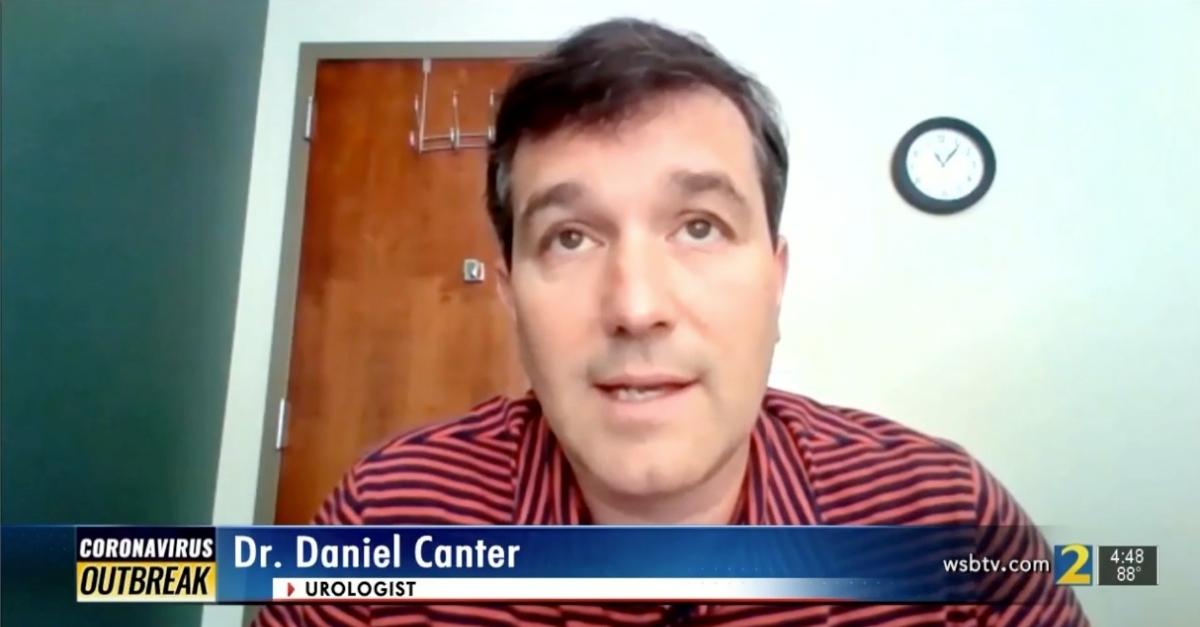
In September 2021, Georgia Urology’s Dr. Daniel Canter was featured on WSB-TV to discuss the risks associated with men delaying screenings for prostate cancer and the complications that can develop in patients who simply put off visiting their doctors during the pandemic. Prostate cancer, although common, is difficult to self-detect because early stages are often […]
Georgia Urology proudly sponsored ZERO’s Prostate Cancer Run/Walk on Saturday, June 20 in Atlanta. The event was hosted by ZERO – The End of Prostate Cancer, a nationally operating nonprofit organization with the mission to end prostate cancer. ZERO is committed to advancing research, and encouraging action in the community by providing education and support […]
Atlanta’s largest urology practice recognizes anniversary, honors providers Georgia Urology — the largest urology practice in Atlanta — is now commemorating its 50th anniversary. What began as a small, physician-led group in 1971 has grown to become one of the most trusted practices of its kind in the nation. With a provider roster made up […]