NanoKnife for Prostate Tumors

Focal Irreversible Electroporation (IRE)

Prostate cancer is one of the most common cancers diagnosed in men around the world. Previously, patients had to choose between definitive treatment options with unfavorable urological side effects. However, another option may be available: the NanoKnife System. This minimally invasive therapy precisely targets the prostate tumor with electrical pulses, destroying cells while helping to preserve sexual function and urinary continence.

Nanoknife Case Observation Site Logo

A Minimally Invasive Option for Certain Prostate Tumors

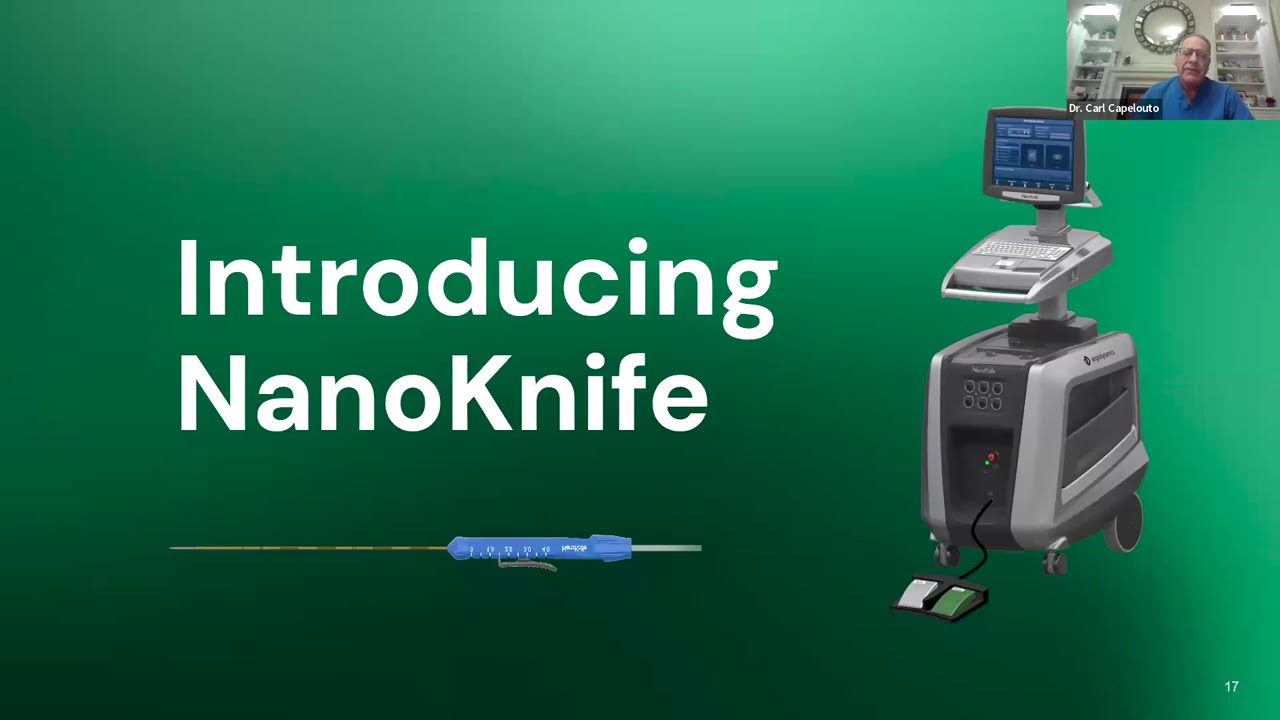
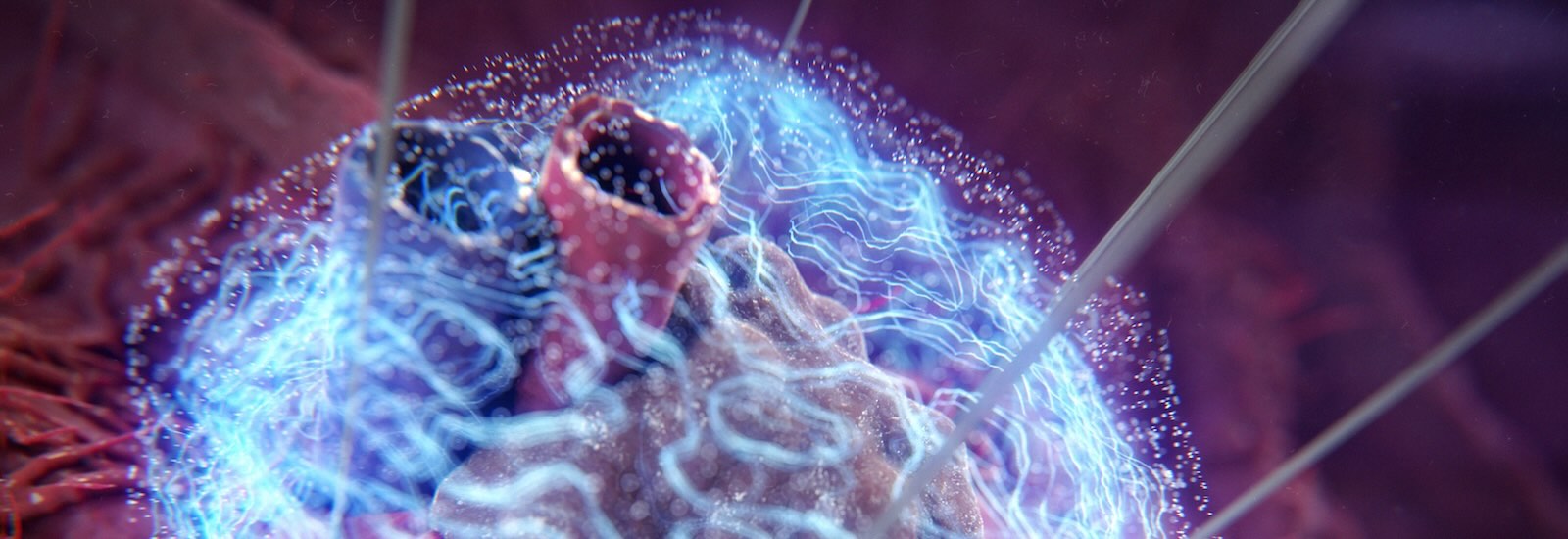
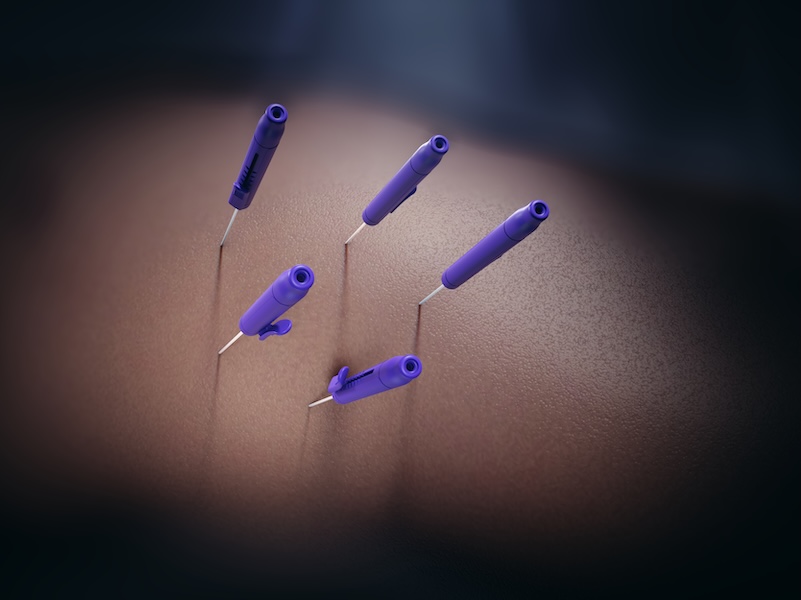
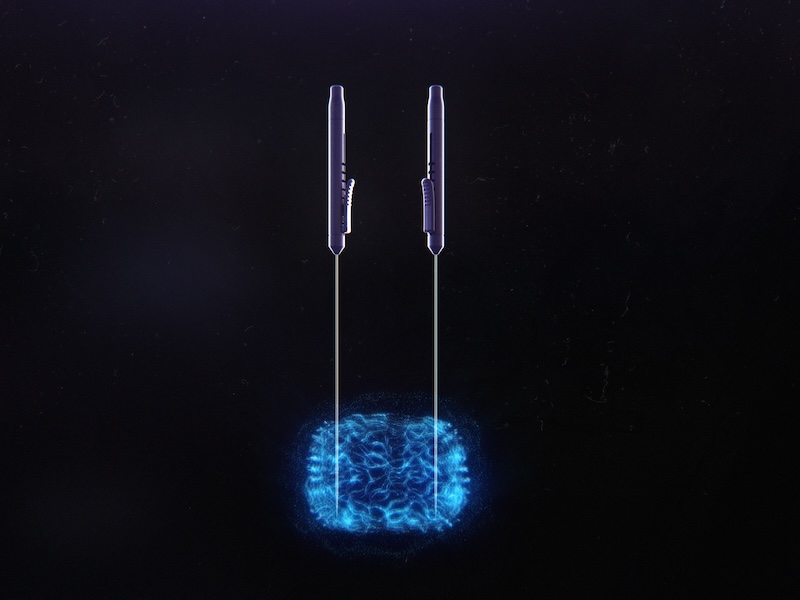
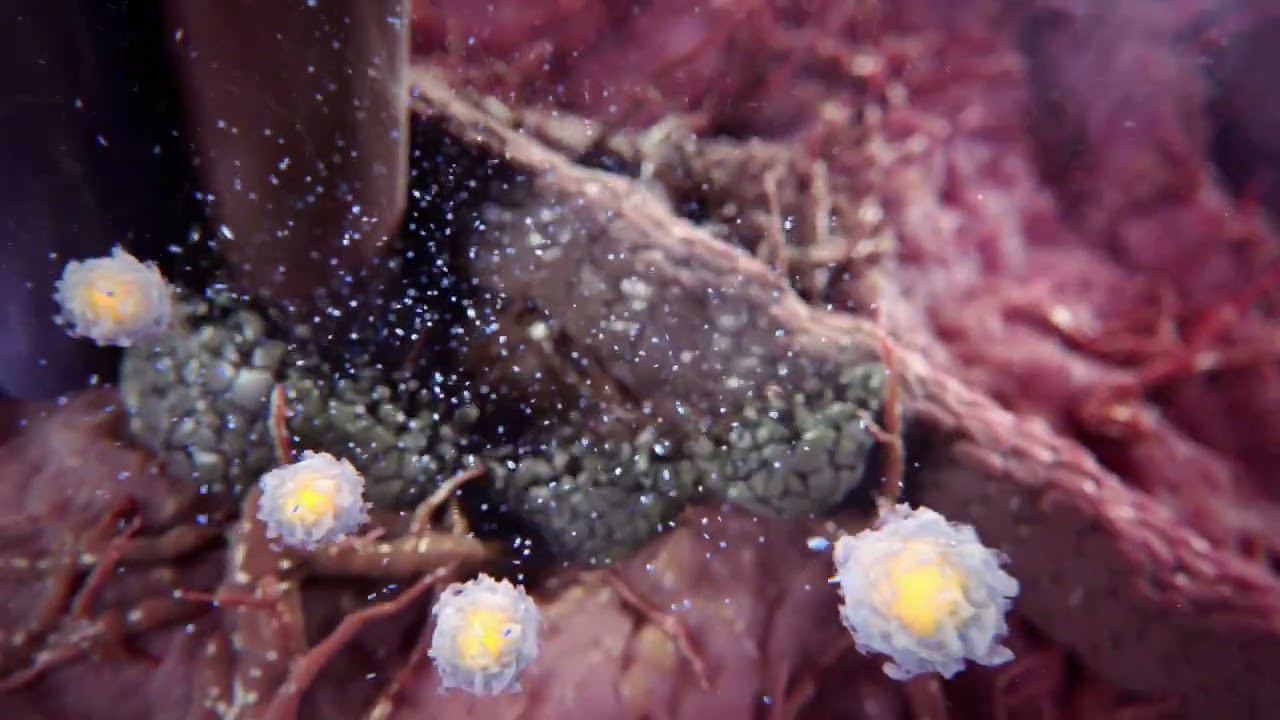
The NanoKnife System uses electrical pulses delivered through thin needles to create openings in the walls of targeted prostate cells, leading to their death. By preserving surrounding structures, it is more likely that urinary and erectile function will return. Short-term side effects may include urinary retention, blood in the urine, pain, burning, or itching while urinating, urinary tract infection, and restriction of urine flow.
Advantages of NanoKnife

  • Fast and Efficient – an outpatient procedure that takes about an hour and has minimal recovery time
  • Safe and Effective – helps preserve urinary control and erectile function.
  • Conserve Future Options – procedures can be repeated if necessary without interfering with other treatment options.

NanoKnife is one of several focal therapy options available for localized prostate tumors. Learn how NanoKnife compares to HIFU in terms of technology, ideal candidates, recovery, and treatment approach.

NanoKnife can be an excellent option for carefully selected patients with localized prostate tumors, but it isn’t the right treatment for everyone.

How Is NanoKnife Performed?

The NanoKnife System uses electrical pulses delivered through thin needles to create openings in the walls of targeted prostate cells, leading to their death. By preserving the other structures around the cells, it is more likely that urinary and erectile function will return.

Why Georgia Urology for Your NanoKnife Procedure

  1. Georgia Urology’s Dr. Brent Sharpe Performed 100th NanoKnife® Prostate Cancer Case, Marking Major Milestone in Innovative Tissue-Sparing Care – Learn more here
  2. Of the 120 facilities performing Urologic NanoKnife nationwide, Georgia Urology has performed the most procedures in the last 12 months. *as of January 2025
  3. Dr. Brent Sharpe has performed the most Urologic NanoKnife procedures in the last 12 months among the 140 physicians who perform this procedure in the U.S. *as of January 2025
  4. Georgia Urology is one of only six case observation sites nationwide for the NanoKnife System.

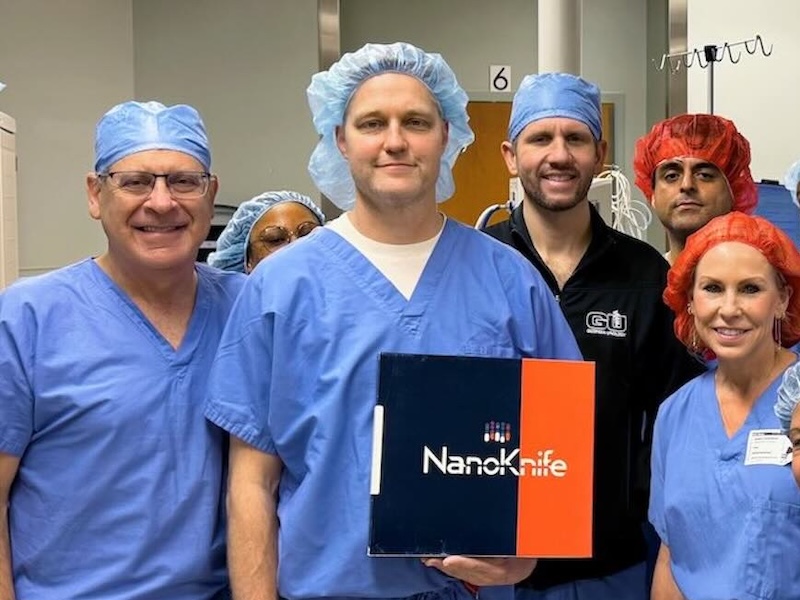
(Dr. Sharpe pictured after Georgia Urology’s first three NanoKnife cases. Click here for more)

Risks, Recovery & Follow-Up

The risks and considerations of the procedures are relatively mild. Most patients experience discomfort and bladder spasms, which resolve soon after the procedure. Antibiotics may be required on a case-by-case basis.

Follow-up after a NanoKnife is essential, and regular PSAs will be taken to check levels. MRIs of the prostate will be performed shortly after the procedure and then at six months. Your urologist and the Georgia Urology team will develop a plan for a follow-up biopsy, communicate regularly to ensure a successful procedure, and go over results as they are available.