Urolift Changes Robert’s Lifestyle So He Can Enjoy Life to Its Fullest
In the world of men’s urologic health, there are few, if any, conditions more prevalent than BPH or enlarged prostate. It is estimated that about 50% of 50-year-olds and 90% of 80-year-olds experience BPH, and its symptoms include urinary frequency and urgency, waking up at night to urinate, a feeling of incomplete voiding, and dribbling or leakage after urinating. Because of the ubiquitous nature of BPH, many procedures have been developed over the years to address it. While all the major procedures we employ today are very effective and address prostate enlargement safely, each has its pros and cons, which will be explained to patients during their consultation.
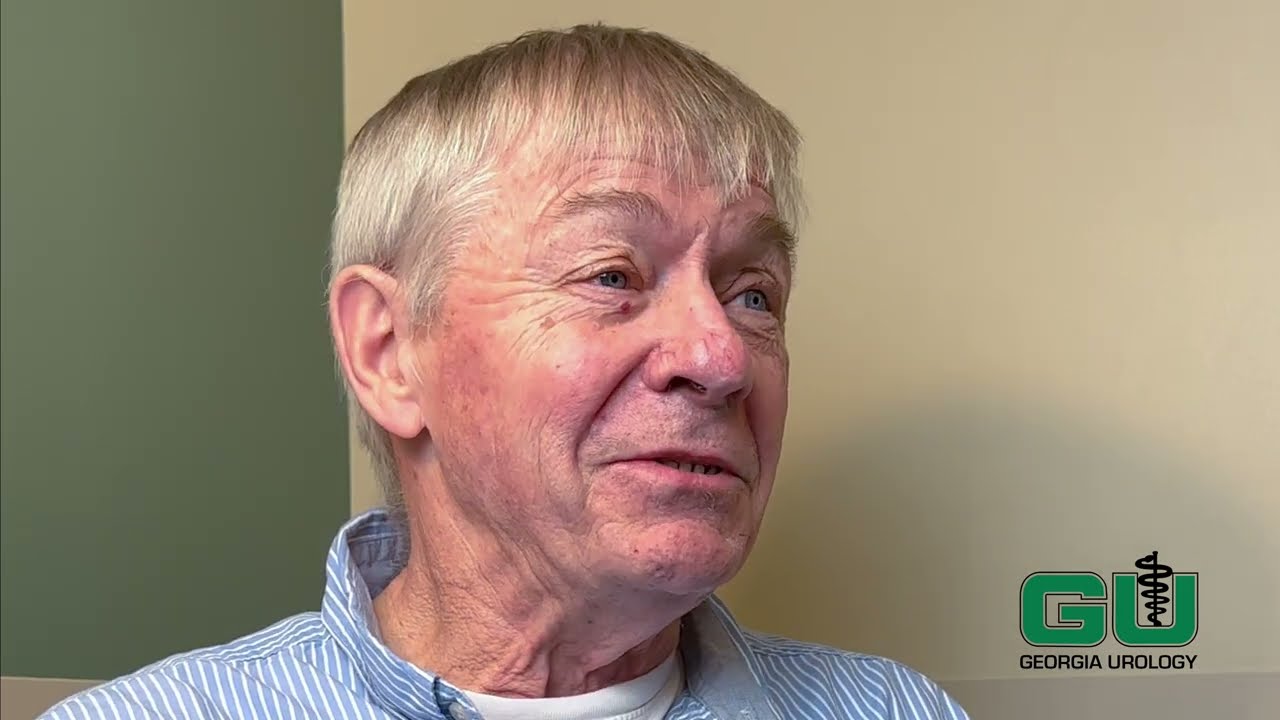
Below is the story about Robert, who had his BPH procedure performed by Dr. John Stites.
Robert’s choice of Urolift, the only non-ablative, non-thermal, and non-surgical BPH treatment option available today, resonates with many men. Why? Urolift was developed to address concerns associated with specific other BPH treatment options.
- Because it is non-thermal, there is no risk of retrograde ejaculation. Depending on the procedure, some patients treated for BPH using other modalities will no longer ejaculate semen out of the penis as before. This may not be a concern for patients who are not interested in a further pregnancy. However, younger patients may need to take this into account.
- It is non-surgical and, therefore, more minimally invasive than traditional surgical options. In many cases, especially for smaller prostates, this means fewer possible complications associated with treatment and a shorter recovery time.
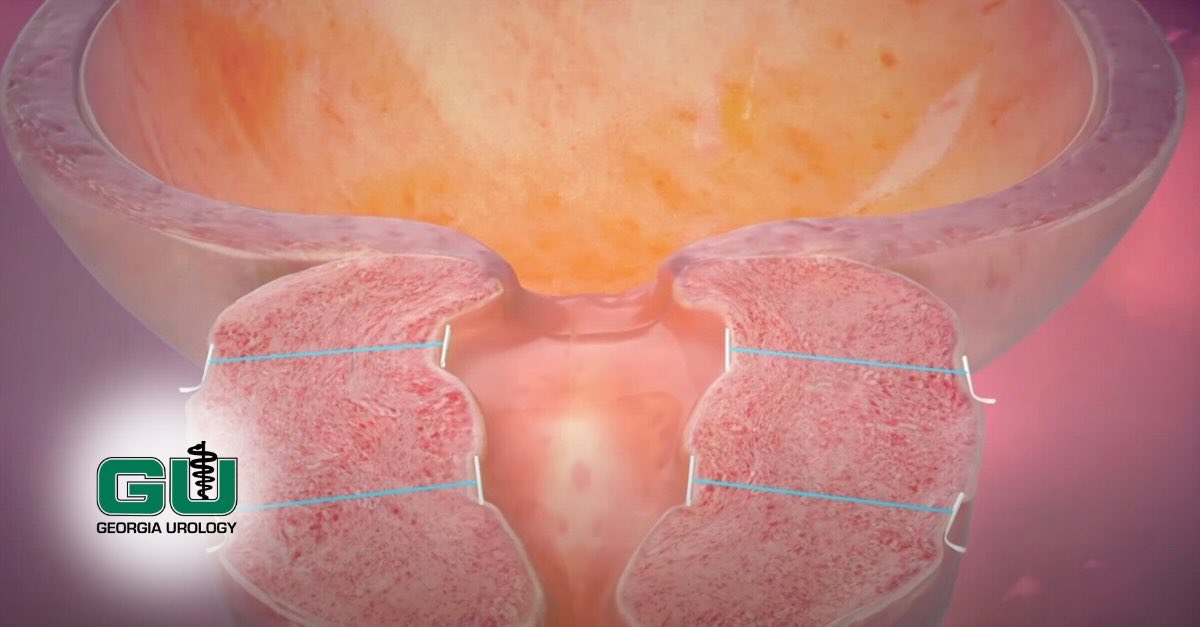
- It is the only BPH treatment modality currently available that does not destroy or ablate any prostatic tissue. Instead, using sutures, we pull the prostatic lobes away from the urethra like curtains, relieving pressure and allowing for normalized urinary function. This contrasts with other minimally invasive options, which use focused energies like steam (Rezum), water (Aquablation), or laser (GreenLight) that eliminate excess tissue within the prostate.
- Over 500,000 Urolift procedures have been performed worldwide, making it a commonly performed minimally invasive BPH procedure with a long track record of success.
- Urolift has broad public (Medicare) and private coverage when symptom criteria are met.
Is Urolift Suitable for Every Patient?
Patients appreciate that they have several treatment options for their enlarged prostate. However, no single option is suitable for everyone. Instead, each treatment modality is best suited to a prostate type. For example, Urolift, Rezum, and Aquablation may be more suited to smaller prostates—those under 80 or 90g—while Aquablation, HoLEP, and simple prostatectomy can be good options for larger prostates. Your Georgia Urology physician will choose the procedure best suited to you.
It’s also important to understand that Urolift places implants within the prostate, which can be problematic in a small number of patients. Further, these implants cannot be felt but do not stop prostatic tissue from growing. As such, patients will eventually need further treatment.
Because there are many BPH treatment possibilities, you should speak to your urologist to understand the procedure and whether it’s right for your anatomy. In the meantime, we encourage you to watch the video above to learn more about the procedure from Dr. Stites’ and our patients’ perspectives.
The Bottom Line
If you are like most of our male patients with BPH, you don’t have to live with lower urinary tract symptoms. You’ve changed your lifestyle to cope with the many and varied symptoms associated with the condition. However, we encourage you to research treatment options, most of which are minimally invasive and exceptionally effective. You no longer have to choose between downtime, risk, or effectiveness. We can reliably help you return to your everyday life without worrying about urinary issues.