BPH / Benign Prostatic Hyperplasia, the non-cancerous enlargement of the prostate, and erectile dysfunction or ED both occur in patients that reach middle age or later. Because of the prevalence of each of these conditions, patients may sometimes wonder if one causes the other and, in particular, if BPH causes ED. Following, we will discuss the relationship between these two conditions, but to get right to the point, BPH does not in and of itself cause erectile dysfunction. That said, the symptoms associated with BPH, and some treatments for enlarged prostate may have consequences for one’s sex life, and it is this that we will focus on.
What Is an Enlarged Prostate or Benign Prostatic Hyperplasia (BPH)?
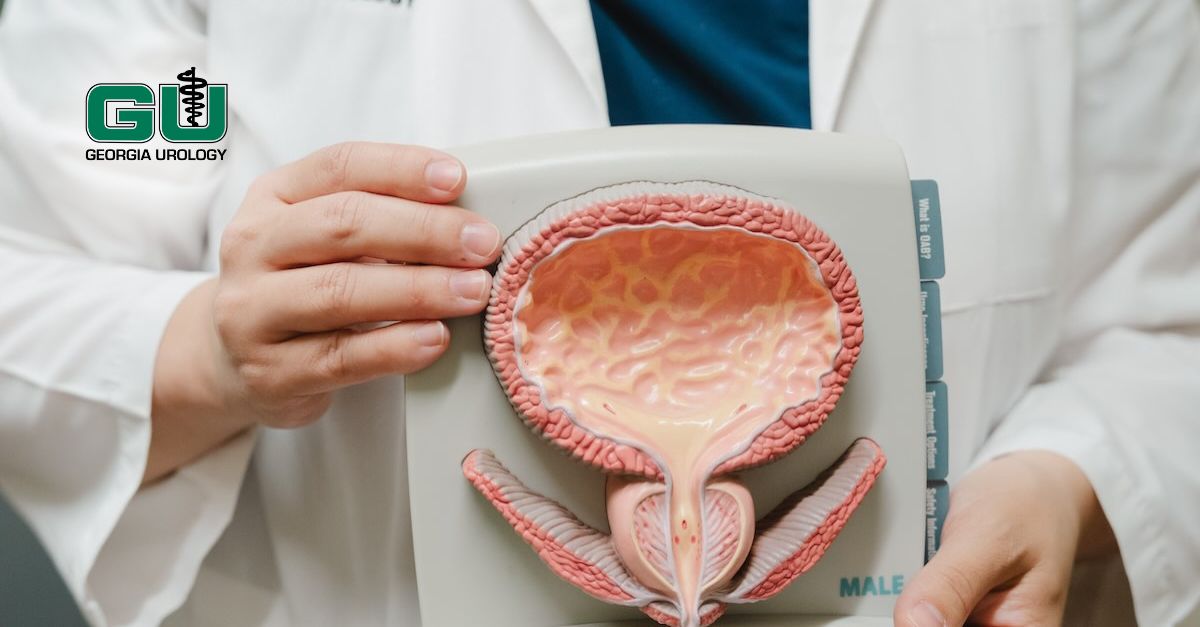
BPH is the proliferation of cells within the prostate that cause the prostate to grow, sometimes very significantly. BPH is as normal as aging itself, and indeed, about 50% of patients over 50 and up to 90% of patients over 80 experience it. Because the urethra or urine channel runs through the prostate, the telltale problems of an enlarged prostate usually revolve around lower urinary tract symptoms. Patients may experience a weak stream, difficulty starting or maintaining a stream, a feeling of not emptying their bladder fully, dribbling after urination, waking up at night to urinate, and more.
What is Erectile Dysfunction?
While ED is also very prevalent as a man ages, it is never normal, and the root cause can vary. Procedures such as prostatectomy or radiation for prostate cancer can cause erectile dysfunction. Trauma to the pelvic region can also injure the nerves and blood vessels that control an erection. Finally, occlusion of the penile arteries due to plaque buildup along their walls can slow blood flow and ultimately cause a poor erection.
BPH, however, has little to do with erectile function in that it does not alter blood flow to the penis, nor does it cause irritation or damage to the nerves that control an erection. However, BPH, as mentioned above, can cause some significant urinary symptoms that may affect a man’s sex life dramatically. For example, when a man is worried about voiding concerns or when they have a perpetual sensation of urine in the bladder, sex and sexual relations are less appealing. Concern surrounding the possibility of urinating during sex can also be top of mind. To that end, patients with anything more than mild BPH tend to compromise in their intimate lives.
Some of the treatments for BPH can cause a phenomenon known as retrograde ejaculation or dry orgasm. This is a situation where semen enters the bladder rather than exiting from the penis. Retrograde ejaculation can occur in patients receiving heat-based procedural interventions for BPH like a TURP or transurethral resection of the prostate with a 60-70% chance or Rezum steam-based ablation with 4-6%.
On the other hand, Aquablation, which uses a targeted water jet to destroy prostatic tissue, and Urolift, which uses sutures to pull the enlarged prostatic lobes away from the urethra, do not have this side effect.
It’s important to know that retrograde ejaculation does not affect libido, nor does it change the ability to have an erection. However, retrograde ejaculation does cause problems in patients looking to conceive, and to that end, male fertility treatment comes into play. Many patients undergoing BPH procedures have passed the typical age of conceiving a child, and as such, this may not be a concern. However, it is a conversation to be had with your urologist.
Ultimately, the relationship between erectile dysfunction and BPH lies more in the symptoms and treatments of the latter rather than a connection between the two conditions themselves. It’s important to remember that both conditions are eminently treatable, and there are plenty of options for patients looking for relief and improvement. As such, the most important next step is to visit a qualified urologist knowledgeable in both conditions and highly skilled in treating each independently and together.
You brush your teeth. You try to eat your veggies. You may even stretch before workouts. But when was the last time you thought about your bladder? Your kidneys? The muscles and plumbing that help detoxify your body? Urologic health might not be the hottest wellness topic out there, but it’s a lot more critical […]
Mark Moore, a retired airline pilot in his late 60s, knew something was wrong. Throughout the day, his bladder was constantly irritated and never felt fully emptied. Each night he would wake up four to six times to urinate. In search of relief, Moore was referred to Georgia Urology’s Dr. Lewis Kriteman. After examining and […]
Men with compromised sexual function or who reach middle age and want to optimize their bodies may have heard of men’s clinics offering P-shots, also known as Priapus shots. These are shots of platelet-rich plasma or PRP harvested from the man’s own body and injected back into the penis. Proponents of P-shots name many possible […]